You may start losing one tooth and think that it’s not a huge deal. But a single missing tooth can also have an impact on your smile and overall health. It can change your eating and speaking. It can also influence how you see yourself. The great news is that there are several options for replacing missing teeth today. A single-tooth dental implant is one of the greatest and most sought-after options.
Single Tooth Dental Implant Definition
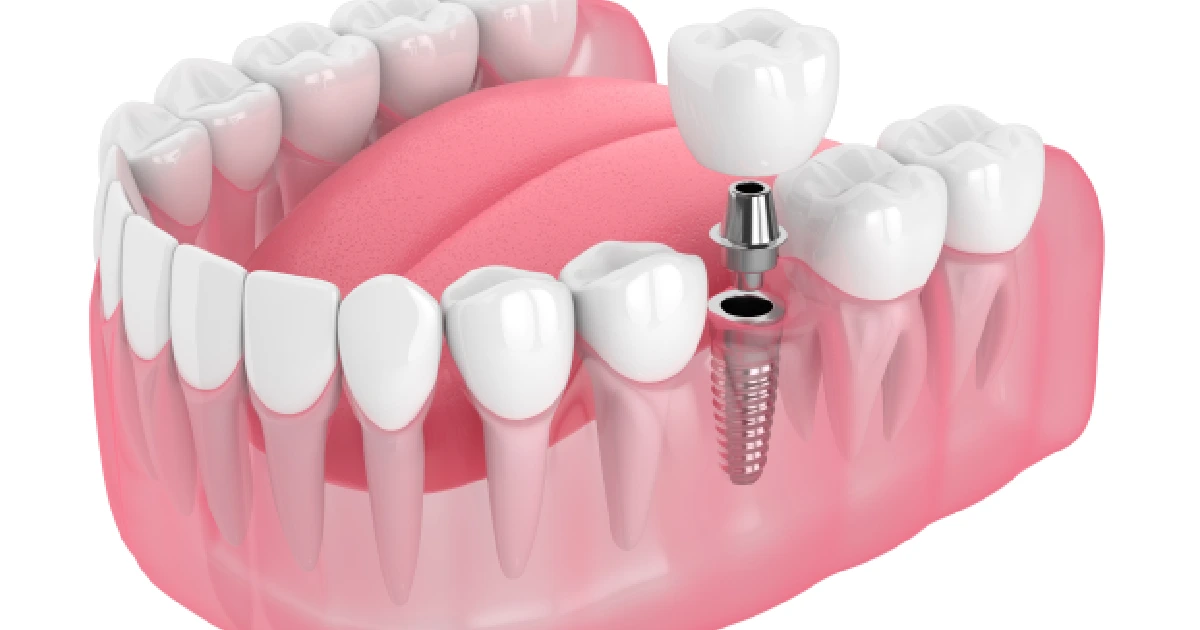
Another missing tooth replacement answer is a single-tooth dental implant. It relies on an insignificant metal post implanted in the jawbone. This post acts as a tooth root. A crown is then fixed on top after it heals. The crown appears to be a regular tooth. This makes it different from many other tooth replacement options.
Why is it Important to replace a Lost Tooth?
A gap in teeth is more than just a cosmetic problem. Through time, the teeth adjacent to those that have been extracted may begin shifting into the void. This can cause bite problems. It can also be more difficult to clean. The bone underneath the missing tooth can begin to shrink, too. This could transform the contours of your face. Replacing the tooth stops these issues.
What Implants Look Like Compared to Alternatives
Several types of replacement teeth are available. Some people opt for a dental bridge. Others choose a removable denture. These alternatives can be effective, but they have their limits. The bridge anchors itself on adjacent teeth. This can weaken healthy teeth. A denture may be mobile and relatively insecure.
How strong is a dental implant? An implant is independent. It is not reliant on other teeth. It’s also closer to a natural tooth. This is also why most patients and dentists will opt for implants in the case of a single tooth restoration.
Advantages of One Tooth Implant
One big benefit is strength. The implant is anchored in the bone. This makes it very stable. You can eat your food without any concern. Another benefit is appearance. It is fabricated to blend with your other teeth. Few can distinguish the difference.
Comfort is also important. An implant doesn’t shift or slip. It’s as if it belonged in your mouth. It also serves to protect the bone and nearby teeth.
Stages of Treatment: From Admissions to Post-Treatment
The process for a single-tooth implant typically takes a few months. The first step, a dentist will examine your mouth and take X-rays. This helps plan the treatment. The implant is then put into the jawbone. This is carefully, would be safe.
And then the bone needs time to heal back around the implant. This can take a few months. A connector is placed when healing has been achieved. Then a crown is added over it. The result is a healthy, natural-looking tooth.
Is the Procedure Painful
Many people worry about pain. The good news is that the procedure tends not to be too painful. To keep you comfortable, dentists give you a shot of numbing medicine. Post-procedure, some discomfort is to be expected. This is perfectly normal and resolves itself within a few days. Most people say it’s easier to bear than they expected.
Who Is A Candidate For An Implant
The majority of healthy adults are eligible for a dental implant. You must have healthy gums and adequate bone to support the implant. If the bone is thin, there are ways to address that. First, your dentist will assess the health of both you and your mouth. They can assist you in determining if an implant is right for you.
Caring for Your Implant
Caring for implants is straightforward. You brush and floss it just like any other tooth. Regular trips to the dentist remain necessary. Good daily care is key to making sure your implant lasts for years. It’s another way to keep your gums healthy.
How Long Will a Single Tooth Implant Last
With proper care, a dental implant can last a long time. Many last for decades. The crown at the top might need to be replaced every decade or so, but the implant often remains sound. This is why implants are considered one of the most long-lasting tooth replacement solutions available in modern dentistry.
Cost and Value Over Time
A single tooth implant may be more expensive at the outset than other options. But it can be a money saver in the end. Bridges and dentures often need to be adjusted or replaced. Implants tend to require less maintenance over the years. These are a great Value in your care and personal health.
The Impact on Your Daily Life
One tooth implant and how it can change your life. There are many ways a single tooth implant can change a person’s life for the better. You are able to eat the foods you enjoy once more. You can smile with confidence. You do not need to be concerned with gaping or loose teeth. And it keeps your mouth nice and balanced.
Final Thoughts
One-tooth dental implants are a robust and durable single missing tooth solution. It is natural-looking, comfortable, and is designed to help protect your oral health. There are plenty of other tooth replacement methods, but implants excel in stability and long-term benefits. If you are missing a single tooth, this choice is one that you should also consider. It really can make a difference. It is a way to bring back your smile, your confidence, and the joy of living.