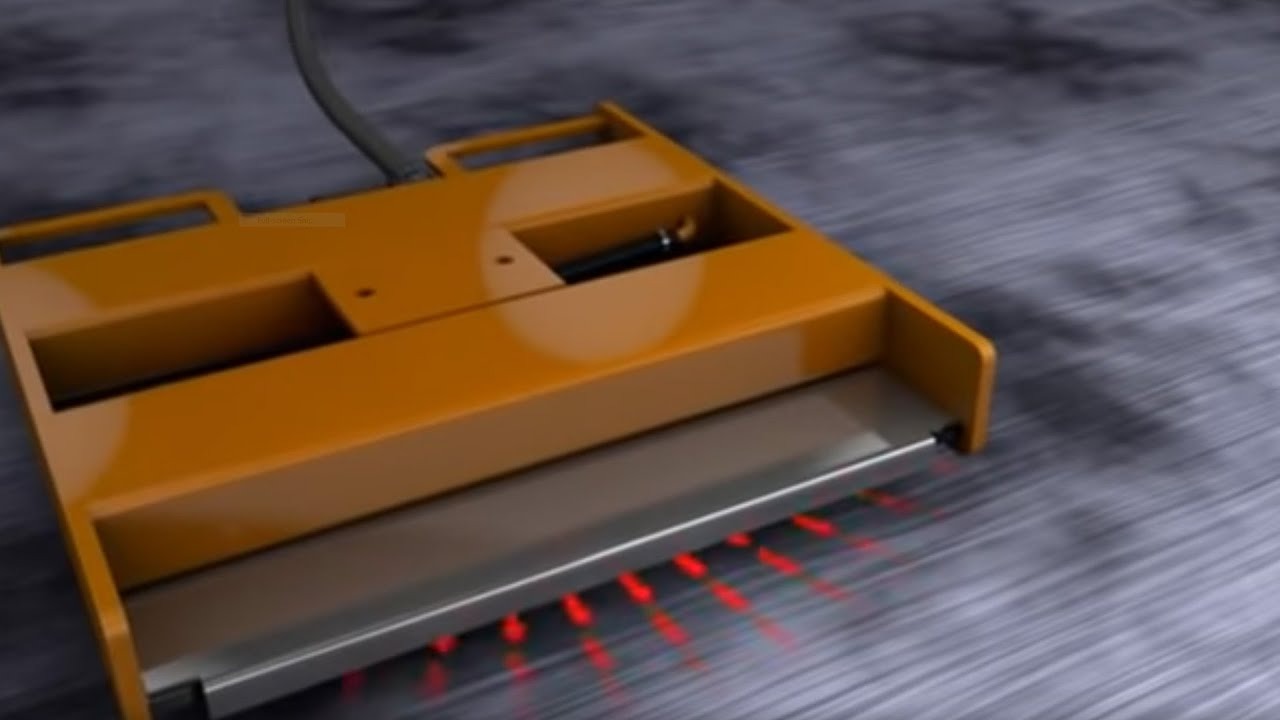
Air casters are tools used to move heavy loads with ease. They work by using air to lift and move objects without much friction. This article explains how they function in simple terms. We will cover the basics, the main parts, how they operate step by step, their benefits, common uses, and tips for care.
The Basics of Air Casters
Air casters are devices that help move large and heavy items across flat surfaces. They are common in factories, warehouses, and places where big machines need to be shifted. Unlike wheels or rollers, air casters do not touch the ground much. Instead, they create a thin layer of air between the load and the floor. This air layer acts like a cushion that lets the load float.
The idea behind air casters started many years ago. Engineers wanted a way to move heavy things without damage to floors or the items themselves. Air casters solve this by using compressed air from a source like an air compressor. When air flows into the caster, it spreads out and lifts the load slightly off the ground.
Air casters are good for smooth, flat floors. They work best on concrete, epoxy, or other even surfaces. If the floor has cracks or bumps, the air might leak, and the caster won’t work well. People use them to move things that weigh from a few hundred pounds up to many tons.
Main Parts of an Air Caster
An air caster has several key parts that work together. The main body is usually a round or square plate made of strong material like aluminum or steel. This plate holds the load.
Under the plate is a flexible bag or diaphragm. This is like a balloon that fills with air. It is made of rubber or a similar material that can stretch and seal air inside.
There are holes or nozzles in the bottom of the caster. These let air escape in a controlled way to form the air film.
An air inlet connects to a hose from the air compressor. This is where the compressed air enters the caster.
Some air casters have valves to control air flow. These help adjust the lift based on the load weight.
All these parts are simple but must be well-made to handle pressure and weight. For more details on products, check out cargotrolley.com.
How Air Casters Work Step by Step
The working principle of an air caster is straightforward. First, place the air casters under the load. Usually, you need four or more casters, one at each corner, depending on the size and weight.
Connect the air hoses to each caster and to the air compressor. Make sure all connections are tight to avoid leaks.
Turn on the air compressor. Compressed air flows into each caster through the inlet.
The air fills the diaphragm, which expands and presses against the floor. This creates a seal.
As more air comes in, pressure builds up. Air starts to escape through the small holes or nozzles at the bottom.
The escaping air forms a thin film between the caster and the floor. This film is about 0.001 to 0.005 inches thick.
The air film reduces friction almost to zero. The load now floats on this air layer.
With the load floating, a small push can move it in any direction. You can guide it by hand or with tools.
To stop, turn off the air supply. The diaphragm deflates, and the load settles back down gently.
This process repeats each time you need to move the load. It takes only a few seconds to lift and start moving.
Benefits of Using Air Casters
Air casters offer many advantages over other moving methods. They require less effort to move heavy loads. One person can often handle what would take a team with traditional tools.
They protect floors from damage. Since there’s no direct contact, there are no scratches or marks.
The loads stay stable because the air film distributes weight evenly. This reduces the chance of tipping.
Air casters are flexible. They allow movement in tight spaces and precise positioning.
They are cost-effective in the long run. Less wear on equipment means fewer repairs.
Noise levels are low compared to forklifts or cranes. This makes them good for indoor use.
They work with various load shapes. You can adjust the setup for different items.
Common Uses for Air Casters
Air casters are used in many industries. In manufacturing, they move large machines like presses or assembly lines.
In aerospace, they handle aircraft parts or engines that are heavy and delicate.
Warehouses use them to shift pallets or storage racks.
In the medical field, they move big equipment like MRI machines without disturbing sensitive areas.
Power plants use air casters for turbines and generators.
Theater and stage setups benefit from them to move heavy props or sets quickly.
Even in data centers, they help position servers and cooling units.
These uses show how versatile air casters are for heavy lifting tasks.
Tips for Maintenance and Safety
To keep air casters working well, regular care is needed. Check the diaphragms for wear or tears. Replace them if damaged.
Clean the casters after use. Dirt can block air holes and reduce performance.
Inspect hoses and connections for leaks. Tight seals are key for proper air pressure.
Store casters in a dry place to avoid rust or material breakdown.
For safety, always use the right number of casters for the load weight. Overloading can cause failure.
Train users on how to operate them. Know the air pressure limits.
Wear safety gear like gloves and steel-toe shoes when handling loads.
Monitor the floor condition. Fix any uneven spots before use.
Follow maker guidelines for air supply. Too much pressure can damage parts.
If you’re looking into costs, read about the air caster price to get an idea.
Conclusion
Air casters make moving heavy loads simple and efficient. Their principle relies on compressed air to create a low-friction film. With basic parts like the plate, diaphragm, and nozzles, they lift and float objects easily. The step-by-step process is quick and repeatable. Benefits include less effort, floor protection, and versatility. They find use in many fields from factories to hospitals. Proper maintenance ensures long life and safety. If you deal with heavy items, air casters could be a good choice.