Winter usually feels like a battle between looking good and actually being able to feel your toes. For a long time, the rule was pretty simple. You either dressed like a giant marshmallow to survive the wind, or you wore your favorite light jacket and just shivered through the evening. I’ve definitely been that person, standing at a bus stop, regretfully looking at my thin denim jacket while the wind cuts right through it.
But street fashion has changed the game.
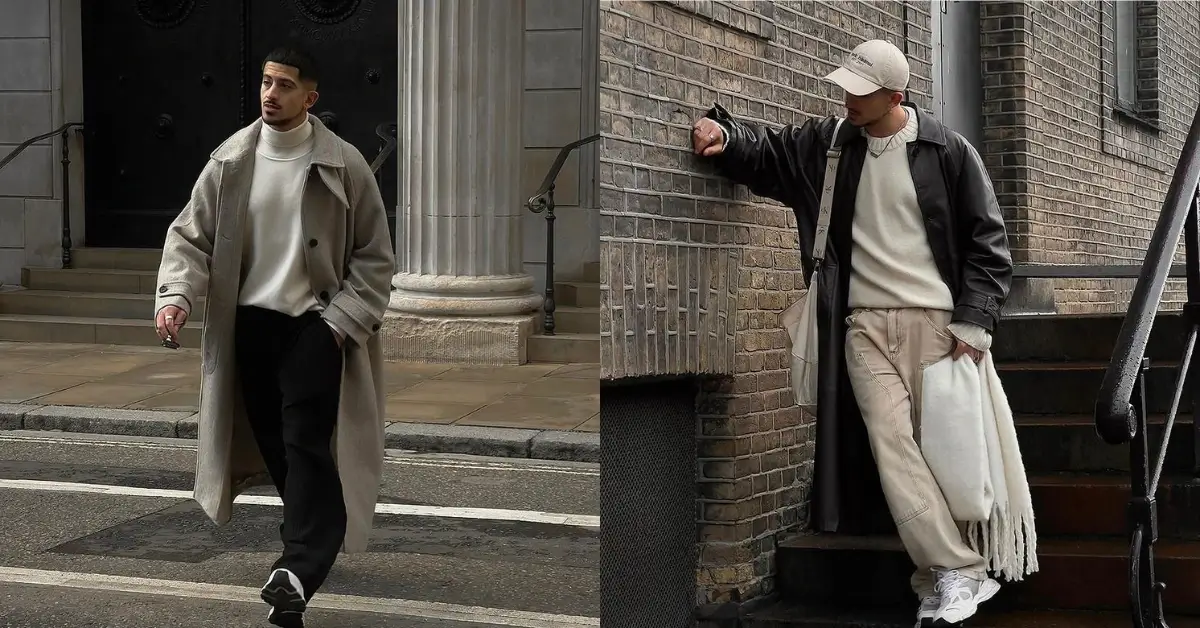
It’s turned the necessity of layers into a legitimate art form. Streetwear in the winter is about more than just surviving the cold. It’s about texture, silhouette, and the way different pieces interact when they’re piled on top of each other. Have you ever noticed how the right combination of fabrics can make an outfit feel almost structural? Honestly, it’s about finding that perfect balance where functionality meets a specific aesthetic.
The Foundation of the Look
Every great winter outfit starts with the pieces no one actually sees. The base layer is the most important part of the equation. If you don’t get the base right, you’ll end up wearing a heavy coat that still lets the cold air in. Many people are turning to high-performance materials that trap heat without adding bulk.
When you’re thinking about the essentials, something like a Nike Tech Fleece offers that streamlined look that fits perfectly under a heavier shell. It provides warmth without making you look like you’re heading to the Arctic. So, why do we often prioritize the outer layer and ignore what is actually touching our skin? You know, this kind of layering allows you to peel back the heavy gear once you get indoors without losing the cohesion of your outfit. It’s a relief to sit down in a warm cafe and not feel like you’re trapped in a sauna.
Playing with Proportions
One of the biggest trends in street winter fashion right now is the play on proportions. We’re seeing a move away from the slim, tight fits of the past. Oversized puffers, wide-leg trousers, and massive scarves are taking over the sidewalk.
There’s a certain confidence in wearing something intentionally large.
A cropped puffer jacket paired with baggy cargo pants creates a silhouette that feels modern and aggressive in the best way. It creates a visual weight that matches the season. But the key is to make sure the outfit looks intentional. You want to look like you chose the oversized fit, not like you borrowed a coat three sizes too big. I guess it’s all about how you carry the bulk.
Texture and Color Palettes
Winter fashion often defaults to a sea of black, grey, and navy. While there’s nothing wrong with a monochrome look, street fashion thrives when it experiments with texture. Mixing materials like corduroy, wool, and synthetic nylons adds a level of depth to an outfit that color alone can’t achieve.
Lately, we’ve seen a rise in earth tones. Deep browns, olives, and muted tans are replacing the standard black as the go-to neutrals. These colors feel grounded and warm. Do they make you feel more connected to the season than a standard neon or a flat black? Maybe. They reflect the winter while standing out against the stark white of snow or the grey of wet pavement. And that’s the point.
Footwear That Handles the Elements
You can’t talk about street fashion without talking about footwear. In the summer, it’s easy to wear your thinnest canvas sneakers. In the winter, your shoes have to do some heavy lifting. The hum of the laptop at midnight while I browse for the perfect winter sole is a ritual for me. The rise of “gorpcore” has brought hiking boots and technical trail shoes into the mainstream.
These shoes are built to handle ice and slush, but they’ve been redesigned with a city aesthetic in mind. Brands are focusing on waterproof membranes and heavy-duty soles that look just as good with denim as they do with technical joggers.
And that is the real goal.
The Art of the Accessory
Accessories are where you can really show your personality. A beanie is a requirement, but the way you wear it matters. Some prefer the deep fold for a classic look, while others go for a fisherman style that sits higher on the head.
Scarves have also made a massive comeback. Instead of thin, decorative scarves, we’re seeing giant, heavy knits that act as a focal point for the entire outfit. They provide a pop of texture and a literal shield against the wind. Gloves, once an afterthought, are now being integrated into the look with tech-friendly fingertips and bold patterns.
But what if the accessory is the part of the outfit that actually tells the story?
Final Thoughts on Cold Weather Style
Street winter fashion is ultimately about adaptability. The weather changes, your environment changes, and your clothes should be able to keep up. It’s about building a wardrobe of versatile pieces that work together. You want to be able to walk through a snowy park and then head straight into a coffee shop without feeling out of place or overheated.
By focusing on quality layers, interesting silhouettes, and functional footwear, you can navigate the coldest months of the year without sacrificing your personal style. Winter doesn’t have to be the season where fashion goes to die. It’s actually the best time to show how well you can put a look together.