
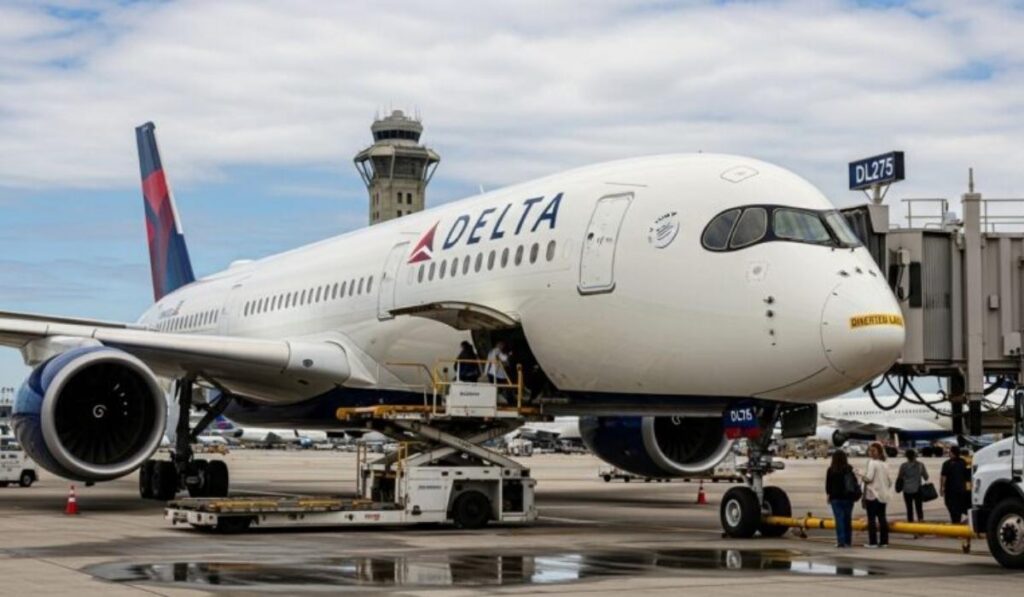
Delta Flight DL275 diverted LAX, creating concern among passengers, aviation enthusiasts, and the general public. Diversions are a standard safety procedure in aviation, though they often attract significant attention due to their impact on travel schedules and the logistics involved. In the case of delta flight dl275 diverted lax, the event has prompted discussions about airline operations, passenger safety, and the measures taken by Delta Airlines to address unexpected circumstances. Understanding this incident requires a detailed look at the flight’s background, the reasons for diversion, and the procedures followed during the event.
Background of Delta Flight DL275
Delta Flight DL275 is a regular commercial route that operates with a schedule connecting major airports. Like all airline operations, delta flight dl275 is subject to strict safety regulations, routine maintenance checks, and monitoring by air traffic control. Prior to the diversion at LAX, the flight had departed on schedule, carrying passengers and crew who expected a routine journey. The reputation of Delta Airlines for adhering to safety protocols and ensuring passenger comfort sets the context for analyzing the reasons behind delta flight dl275 diverted lax and its subsequent management.
Causes of the Diversion
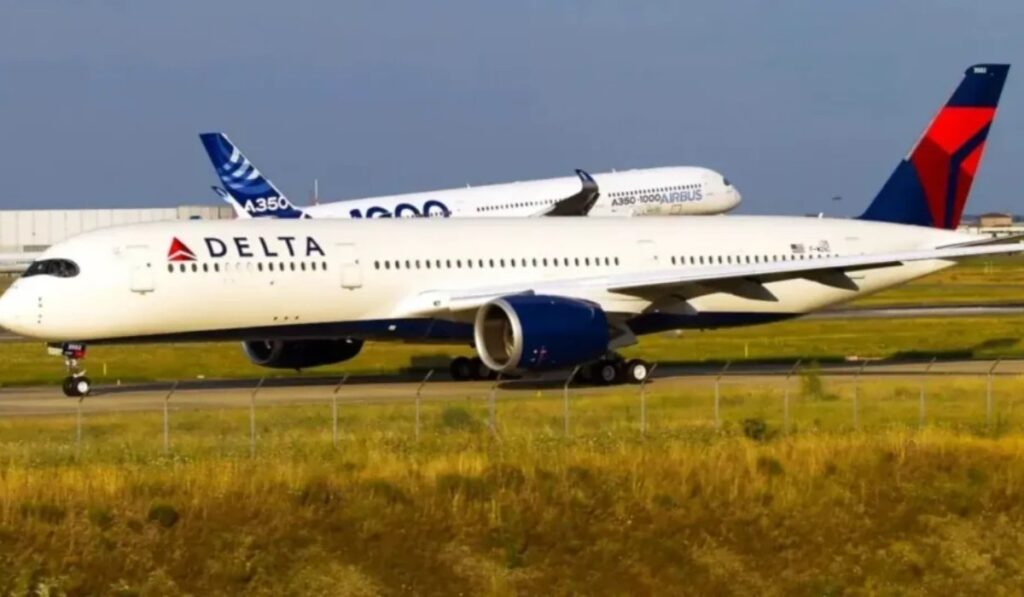
Flight diversions can occur for several reasons, including technical malfunctions, medical emergencies, adverse weather conditions, or operational requirements imposed by air traffic authorities. In the case of delta flight dl275 diverted lax, preliminary reports suggested that the airline responded to an unexpected situation requiring immediate landing at an alternative airport. While the exact details of the triggering event may involve multiple contributing factors, the procedures followed underscore the airline’s commitment to safety and regulatory compliance. Diversions such as this are part of standard aviation protocols designed to protect passengers and crew.
Airline Response and Protocols
Delta Airlines implemented established protocols immediately upon the decision to divert delta flight dl275 diverted lax. These protocols include notifying air traffic control, identifying the nearest suitable airport for landing, and preparing ground personnel for passenger reception and safety inspections. Communication with passengers is also a critical component, ensuring that travelers are informed about changes, potential delays, and accommodations. By following these procedures, Delta Airlines minimized risk and maintained control over the situation while ensuring compliance with aviation safety regulations.
Passenger Experience During the Diversion

For passengers aboard delta flight dl275 diverted lax, the experience can be stressful and confusing. Crew members are trained to manage such scenarios by providing timely information, maintaining calm, and addressing passenger concerns. Onboard announcements and communication help passengers understand the reasons for the diversion and expected outcomes. Airlines such as Delta prioritize passenger welfare during diversions, offering assistance with connecting flights, accommodations, and other logistical needs. Understanding the passenger perspective highlights the human dimension of aviation incidents.
Air Traffic Control and Operational Coordination
The role of air traffic control is essential when managing flight diversions like delta flight dl275 diverted lax. Controllers coordinate with the flight crew to determine the safest alternative airport, manage airspace congestion, and ensure that landing procedures can be executed efficiently. Effective coordination between the airline and air traffic authorities prevents complications, maintains safety standards, and ensures minimal disruption to other flights. The complexity of these operations underscores the expertise required to manage diversions in real-time.
Safety Measures and Technical Inspections
Safety is the primary concern when a flight is diverted. After delta flight dl275 diverted lax, technical inspections were conducted to ensure that the aircraft was in proper condition to continue service. These inspections may include checks on mechanical systems, engines, navigation equipment, and emergency procedures. Airlines follow strict protocols to verify aircraft readiness, reflecting the rigorous standards upheld in commercial aviation. The emphasis on safety reassures passengers and the public that diversions are handled professionally and without compromising operational integrity.
Media Coverage and Public Attention
News of delta flight dl275 diverted lax spread quickly due to media coverage and social media discussions. Flight diversions attract public interest because they impact travel plans, involve potential emergencies, and provide insight into airline operations. Media reports often highlight passenger experiences, airline statements, and expert analysis. The coverage surrounding delta flight dl275 diverted lax illustrates the role of media in informing the public while emphasizing the importance of understanding context and safety procedures in aviation incidents.
Historical Context of Similar Diversions
Flight diversions like delta flight dl275 diverted lax are not uncommon in commercial aviation. Airlines regularly implement diversion protocols in response to safety concerns, weather disruptions, or technical issues. Studying past incidents provides insight into how procedures have evolved, how airlines manage passenger expectations, and how safety standards continue to improve. In this context, delta flight dl275 diverted lax is an example of routine aviation protocols applied in real-world conditions, demonstrating the effectiveness of modern operational practices.
Lessons Learned and Future Implications
Analyzing delta flight dl275 diverted lax provides valuable lessons for passengers, airlines, and aviation authorities. The incident emphasizes the importance of preparedness, effective communication, and adherence to safety regulations. For passengers, understanding airline procedures can reduce anxiety during diversions. For airlines, the event reinforces the need for continuous training and operational readiness. Future implications may include enhanced monitoring systems, improved passenger communication strategies, and ongoing assessment of safety protocols to prevent or manage similar events effectively.
Final Thoughts on Delta Flight DL275 Diverted LAX
The incident involving delta flight dl275 diverted lax illustrates the complexities of modern aviation, where safety, operational efficiency, and passenger experience must be carefully balanced. While diversions can be disruptive, they are essential safety measures that protect lives and maintain trust in commercial air travel. By examining the causes, responses, and outcomes of delta flight dl275 diverted lax, the public gains insight into the rigorous standards and expertise involved in aviation operations. For additional context on flight operations and airline safety procedures, more information can be explored through delta flight dl275 diverted lax and related discussions in aviation.
Frequently Asked Questions
1. Why was delta flight dl275 diverted lax?
- The flight was diverted due to a safety concern requiring immediate landing at an alternative airport.
2. Where did delta flight dl275 land after diversion?
- The aircraft landed at the nearest suitable airport as coordinated with air traffic control.
3. Were passengers safe during the diversion?
- Yes, all passengers were safe and attended to by trained airline crew.
4. How long was the delay caused by the diversion?
- The delay depended on inspections, airport procedures, and onward travel arrangements.
5. Does Delta Airlines handle diversions regularly?
- Yes, diversions are part of standard aviation safety protocols for unforeseen circumstances.