A concrete slump test is one of the most commonly used methods to assess the workability of fresh concrete. Understanding concrete slump meaning is critical for construction professionals, engineers, and quality control personnel. The test provides a simple yet effective way to determine the consistency of a concrete mix before it is placed or poured. By analyzing the slump, engineers can ensure that the mix has the right fluidity for proper compaction, reduces the risk of segregation, and maintains the strength and durability of the finished structure. Concrete slump meaning is therefore not only a measure of fluidity but also an indicator of the quality and reliability of concrete in practical applications.
Principles Behind Concrete Slump Meaning
The concept of concrete slump meaning is based on the behavior of fresh concrete under controlled conditions. When a standardized mold is filled with concrete and then removed, the concrete may subside or slump. The amount of subsidence reflects the mix’s workability, cohesion, and water content. A higher slump indicates a more fluid mix, whereas a lower slump represents a stiffer concrete with less water or finer aggregate distribution. Understanding concrete slump meaning is crucial because it helps predict how easily the concrete can be placed and compacted, which directly affects structural integrity and surface finish.
Factors Affecting Concrete Slump Meaning

Several factors influence concrete slump meaning, including the water-cement ratio, aggregate size and grading, admixtures, and ambient temperature. The water content is the most significant factor, as increased water generally leads to a higher slump, improving workability but potentially reducing strength. Aggregate characteristics such as shape, texture, and moisture content also affect slump readings. Admixtures like superplasticizers can increase workability without altering the water-cement ratio, modifying concrete slump meaning in ways that are beneficial for specialized construction needs. Understanding these factors ensures proper mix design and consistency.
Equipment and Procedure
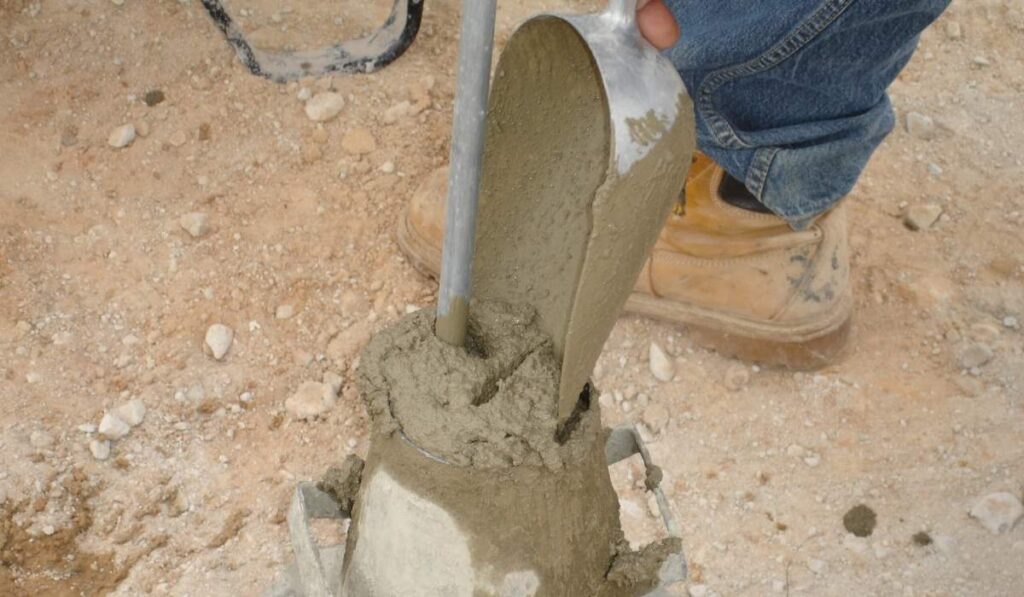
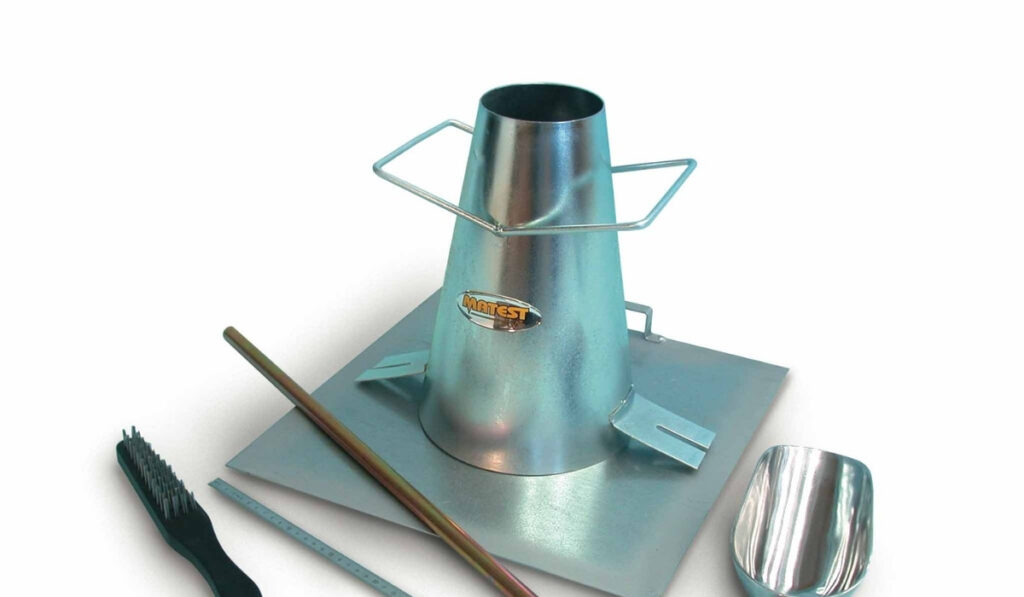
Accurate understanding of concrete slump meaning depends on following the correct test procedure. The standard test uses a conical mold known as the slump cone, a tamping rod, and a flat base plate. Fresh concrete is placed in three layers inside the mold, each layer being compacted with the rod. After filling, the mold is carefully lifted vertically, allowing the concrete to slump naturally. The vertical subsidence of the concrete is then measured. This measurement, typically in millimeters or inches, reflects the concrete slump meaning and provides insight into the workability and suitability of the mix for construction.
Types of Slump and Their Significance
Concrete slump meaning is not uniform, as slumps can be categorized into three main types: true slump, shear slump, and collapse slump. A true slump occurs when the concrete subsides evenly, indicating a balanced mix. Shear slump happens when one part of the mix slips sideways, suggesting non-uniform consistency or improper aggregate grading. Collapse slump occurs when the mix falls apart completely, indicating excessive water content or overly fluid concrete. Understanding concrete slump meaning in these contexts allows engineers to adjust mix proportions and achieve the desired workability for specific construction applications.
Practical Applications in Construction
Concrete slump meaning has significant practical applications in the construction industry. It ensures that concrete is workable enough for placement in forms and around reinforcement without segregation or bleeding. High-slump concrete is easier to pour into complex molds or around dense reinforcement, while low-slump concrete is more suitable for pavements and structural elements requiring higher strength and reduced shrinkage. By understanding concrete slump meaning, construction professionals can make informed decisions about mix adjustments, placement techniques, and compaction methods, leading to durable and high-quality structures.
Relationship Between Slump and Concrete Strength
The relationship between concrete slump meaning and strength is complex but essential for quality control. Higher slump mixes generally have higher water content, which can reduce compressive strength if not properly managed. Conversely, lower slump concrete is stiffer, which may increase strength but reduce workability and increase labor difficulty during placement. Engineers use concrete slump meaning to balance these factors, ensuring that the concrete achieves both the required strength and sufficient workability for construction needs. This understanding is critical for designing mixes for bridges, buildings, roads, and other infrastructure projects.
Role in Quality Control
Concrete slump meaning plays a vital role in quality control on construction sites. Routine slump testing allows engineers to verify that the delivered mix matches the design specifications. Variations in slump readings can indicate issues with batching, water content, or aggregate consistency. By monitoring concrete slump meaning, quality control personnel can detect potential problems before placement, preventing structural deficiencies, delays, and cost overruns. Accurate interpretation of slump results also ensures compliance with industry standards and regulatory requirements.
Limitations of the Slump Test
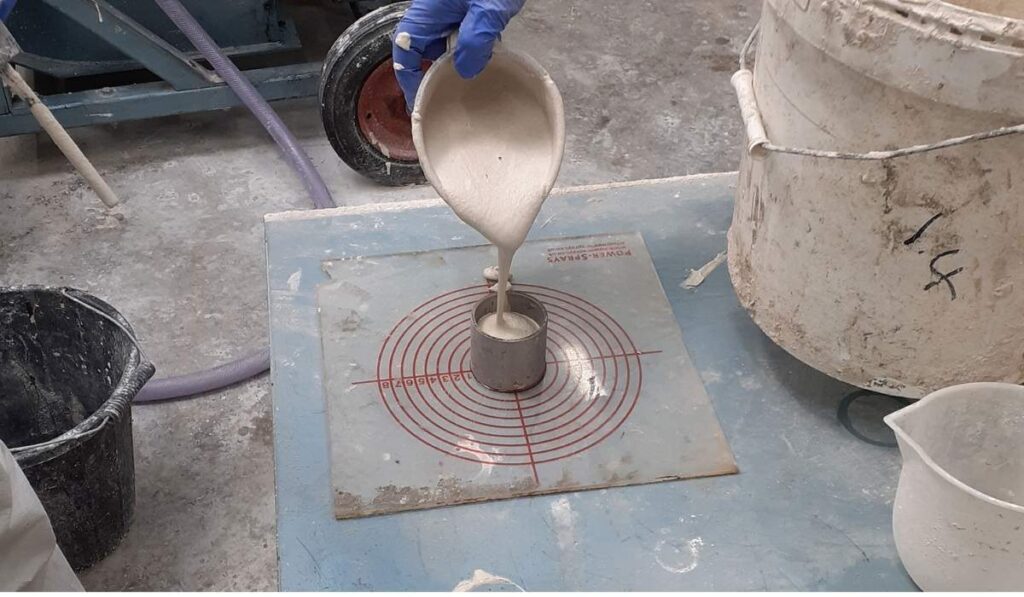
While concrete slump meaning provides valuable insights into workability, the slump test has certain limitations. It does not directly measure concrete strength, durability, or segregation potential under field conditions. Factors such as temperature, time elapsed since mixing, and operator technique can influence slump readings. Additionally, the test is less reliable for mixes with very low or very high workability, where alternative methods such as flow table tests or rheometers may be preferable. Understanding concrete slump meaning involves acknowledging these limitations while using the test as part of a comprehensive quality control strategy.
Advances and Innovations
Modern construction practices have introduced innovations that refine concrete slump meaning assessment. Technologies such as automated slump measurement devices, digital monitoring, and predictive modeling allow for more precise and repeatable readings. Admixtures and new mix designs have also expanded the range of workable concrete while maintaining structural performance. Understanding concrete slump meaning in the context of these innovations enables engineers to optimize concrete mixes, improve placement efficiency, and enhance durability, ensuring that modern structures meet the highest standards of safety and performance.
Conclusion
Concrete slump meaning is a fundamental concept for understanding the workability and consistency of fresh concrete. It informs decisions about mix design, placement techniques, and quality control, impacting both the structural performance and durability of concrete constructions. By studying concrete slump meaning, engineers and construction professionals can balance workability and strength, detect potential mix problems, and optimize construction practices. The ongoing evolution of testing methods and concrete technology continues to enhance the precision and applicability of concrete slump meaning, reinforcing its importance in modern construction.
Frequently Asked Questions
1. What is concrete slump meaning?
- It indicates the workability and consistency of fresh concrete by measuring vertical subsidence.
2. How is concrete slump meaning measured?
- By filling a slump cone with concrete, lifting it, and measuring how much the concrete subsides.
3. Why is concrete slump meaning important in construction?
- It ensures proper workability, prevents segregation, and helps achieve desired strength.
4. What factors affect concrete slump meaning?
- Water-cement ratio, aggregate characteristics, admixtures, and temperature.
5. Can concrete slump meaning predict concrete strength?
- Partially, as higher slumps may reduce strength while lower slumps may increase it but reduce workability.