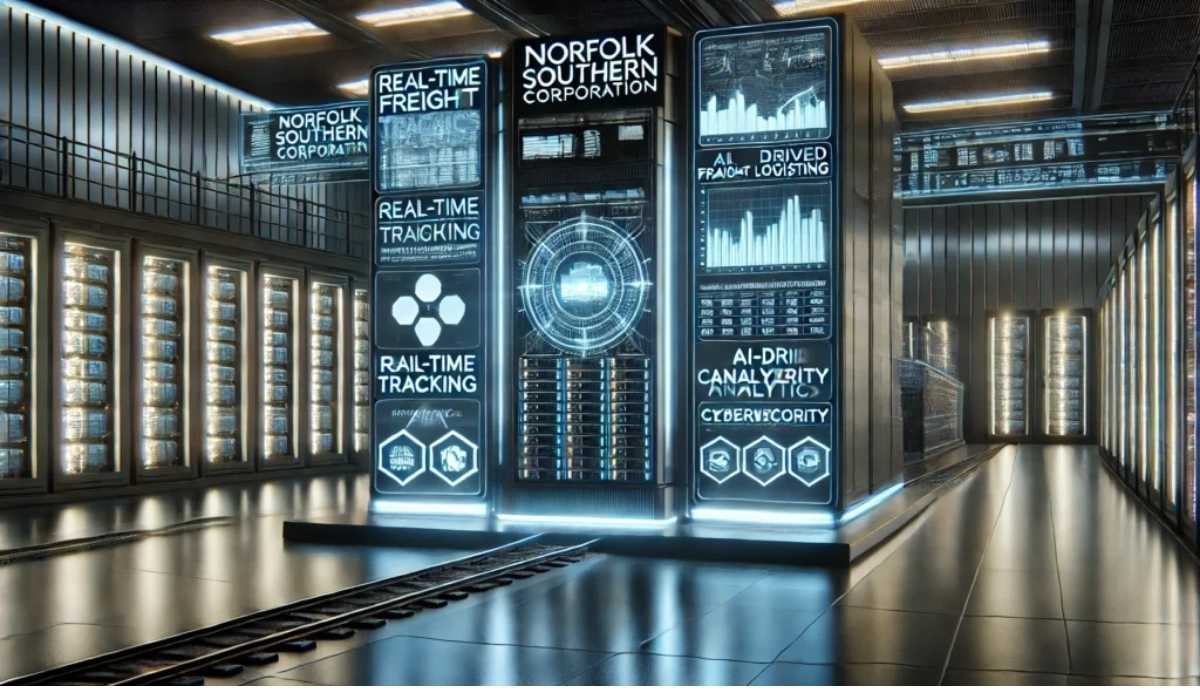
The modern transportation network relies heavily on sophisticated digital systems to ensure efficiency, owp.nscorp mainframe reliability, and safety. Among these systems, the owp.nscorp mainframe plays a pivotal role in coordinating complex rail operations across vast geographic areas. This technology acts as the backbone for data processing, scheduling, and monitoring, allowing transportation companies to handle large volumes of freight and passenger movement seamlessly. Experts in rail logistics emphasize that without systems like the owp.nscorp mainframe, managing modern transportation would be prone to errors, delays, and inefficiencies, highlighting its significance in today’s infrastructure.
The Role of owp.nscorp mainframe in Rail Scheduling
Scheduling is one of the most critical functions of any transportation network. The owp.nscorp mainframe is responsible for analyzing real-time data and creating optimized schedules for trains and freight. By processing countless variables, including track availability, weather conditions, and cargo priorities, the system ensures minimal delays and maximum utilization of resources. Rail operators depend on the mainframe’s precision to prevent conflicts and maintain smooth operations. Without such technology, scheduling would require manual calculations that are both time-consuming and prone to error, underscoring the owp.nscorp mainframe’s essential role in operational efficiency.
Ensuring Safety Through Advanced Monitoring
Safety is a non-negotiable aspect of transportation networks. The owp.nscorp mainframe integrates advanced monitoring systems that track train movements, signaling status, and track conditions in real-time. By doing so, it provides early warnings for potential hazards such as mechanical failures, obstructions, or human errors. Transportation authorities rely on this data to implement preventive measures, reducing accidents and improving overall safety standards. Experts assert that the owp.nscorp mainframe’s ability to process massive amounts of data quickly is crucial for proactive safety management in rail operations.
Data Management and Real-Time Decision Making
Modern transportation depends on quick access to accurate data. The owp.nscorp mainframe serves as a centralized hub for collecting, storing, and analyzing operational data from multiple sources. This enables decision-makers to respond in real-time to emerging issues, such as unexpected delays, equipment failures, or scheduling conflicts. By consolidating information and providing actionable insights, the mainframe supports both tactical and strategic planning. Industry analysts note that the efficiency of the owp.nscorp mainframe directly correlates with the responsiveness and reliability of the entire rail network.
Improving Freight Logistics and Resource Allocation

Freight logistics is a cornerstone of transportation networks, and the owp.nscorp mainframe ensures that resources are allocated efficiently. By tracking cargo, monitoring shipment priorities, and predicting potential bottlenecks, the system allows rail operators to optimize the movement of goods. This results in faster deliveries, reduced operational costs, and better customer satisfaction. Experts highlight that the owp.nscorp mainframe’s ability to coordinate multiple shipments across extensive rail networks is unmatched by manual or less advanced systems, making it a critical tool for modern logistics management.
Integration with Other Transportation Technologies
The owp.nscorp mainframe does not operate in isolation; it integrates seamlessly with other transportation technologies, such as automated signaling systems, GPS tracking, and predictive maintenance platforms. This integration allows for comprehensive oversight of operations and enhances the ability to preemptively address issues before they escalate. Transportation engineers point out that the mainframe’s compatibility with various technologies makes it a versatile and indispensable component of modern rail infrastructure, providing both operational flexibility and resilience against disruptions.
Enhancing Efficiency Through Predictive Analytics

Predictive analytics is one of the most transformative aspects of modern mainframe systems. The owp.nscorp mainframe leverages historical data, real-time inputs, and sophisticated algorithms to forecast potential operational challenges. For instance, it can predict congestion points, equipment maintenance needs, or seasonal demand fluctuations. These insights enable transportation managers to plan proactively rather than reactively, ensuring consistent service quality. According to industry specialists, the predictive capabilities of the owp.nscorp mainframe significantly enhance operational efficiency and reduce the likelihood of costly disruptions.
Supporting Strategic Planning and Long-Term Growth
Long-term strategic planning is critical for the sustainability of transportation networks. The owp.nscorp mainframe provides detailed analytics and reporting capabilities that assist management in making informed investment and expansion decisions. By understanding usage patterns, resource requirements, and potential growth areas, transportation companies can implement initiatives that enhance performance and scalability. Experts argue that the mainframe’s contribution to strategic decision-making positions it as a fundamental tool for future-proofing transportation infrastructure.
The Economic Impact of owp.nscorp mainframe

The owp.nscorp mainframe has a significant economic impact by improving operational efficiency, reducing delays, and optimizing resource utilization. Businesses that rely on rail transportation benefit from lower costs, timely deliveries, and improved service reliability. Furthermore, the mainframe’s contribution to safety and preventive maintenance minimizes losses due to accidents or equipment failures. Economists and transportation analysts often highlight that the indirect financial benefits of mainframe technology, such as reduced downtime and enhanced productivity, justify the investment in these advanced systems.
Future Developments and Technological Advancements
As rail networks evolve, the owp.nscorp mainframe continues to adapt through technological advancements such as artificial intelligence, machine learning, and enhanced data analytics. These developments promise to further improve efficiency, predictive capabilities, and integration with other transportation systems. Experts predict that future iterations of the mainframe will enable even greater automation, reducing human intervention while increasing reliability. The ongoing evolution of the owp.nscorp mainframe ensures that modern transportation networks remain competitive, safe, and efficient in an increasingly complex logistical landscape.
Conclusion
The owp.nscorp mainframe is an indispensable component of modern transportation networks. From scheduling and logistics to safety monitoring and strategic planning, its capabilities touch nearly every aspect of rail operations. By integrating advanced data management, predictive analytics, and real-time monitoring, the mainframe ensures that rail networks operate smoothly, efficiently, and safely. Experts continue to emphasize that the owp.nscorp mainframe is not merely a technological tool but a hidden hero that underpins the success of contemporary transportation systems. Its continued evolution will play a vital role in shaping the future of rail operations worldwide.
Frequently Asked Questions
1. What is the primary function of owp.nscorp mainframe?
- It manages scheduling, data processing, and operational coordination for rail networks.
2. How does owp.nscorp mainframe improve safety?
- By monitoring train movements, track conditions, and signaling in real-time.
3. Can owp.nscorp mainframe optimize freight logistics?
- Yes, it tracks shipments, predicts bottlenecks, and allocates resources efficiently.
4. Is owp.nscorp mainframe compatible with modern technologies?
- Yes, it integrates with GPS, automated signaling, and predictive maintenance systems.
5. How does owp.nscorp mainframe impact long-term planning?
- It provides analytics and reporting for strategic growth and infrastructure investment.