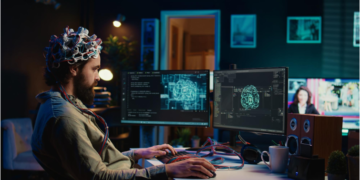
Digital media production has evolved rapidly over the past few years, driven largely by advancements in artificial intelligence. What was once a time-consuming and resource-heavy process has now become faster, more accessible, and significantly more flexible. Today, creators across industries are rethinking how they produce content, thanks to intelligent tools that automate video and voice creation without compromising quality.
AI-powered systems are no longer experimental technologies. They are actively reshaping how digital media is planned, produced, and distributed. From social media videos and educational tutorials to brand storytelling and informational content, automation is redefining production standards and creative workflows.
The Shift From Traditional Production to AI-Driven Workflows
Traditional digital media production relied heavily on manual effort. Video editing required specialized software, technical expertise, and long hours of post-production work. Voiceovers demanded recording equipment, soundproof environments, and sometimes professional voice talent. These requirements often limited content creation to those with sufficient resources.
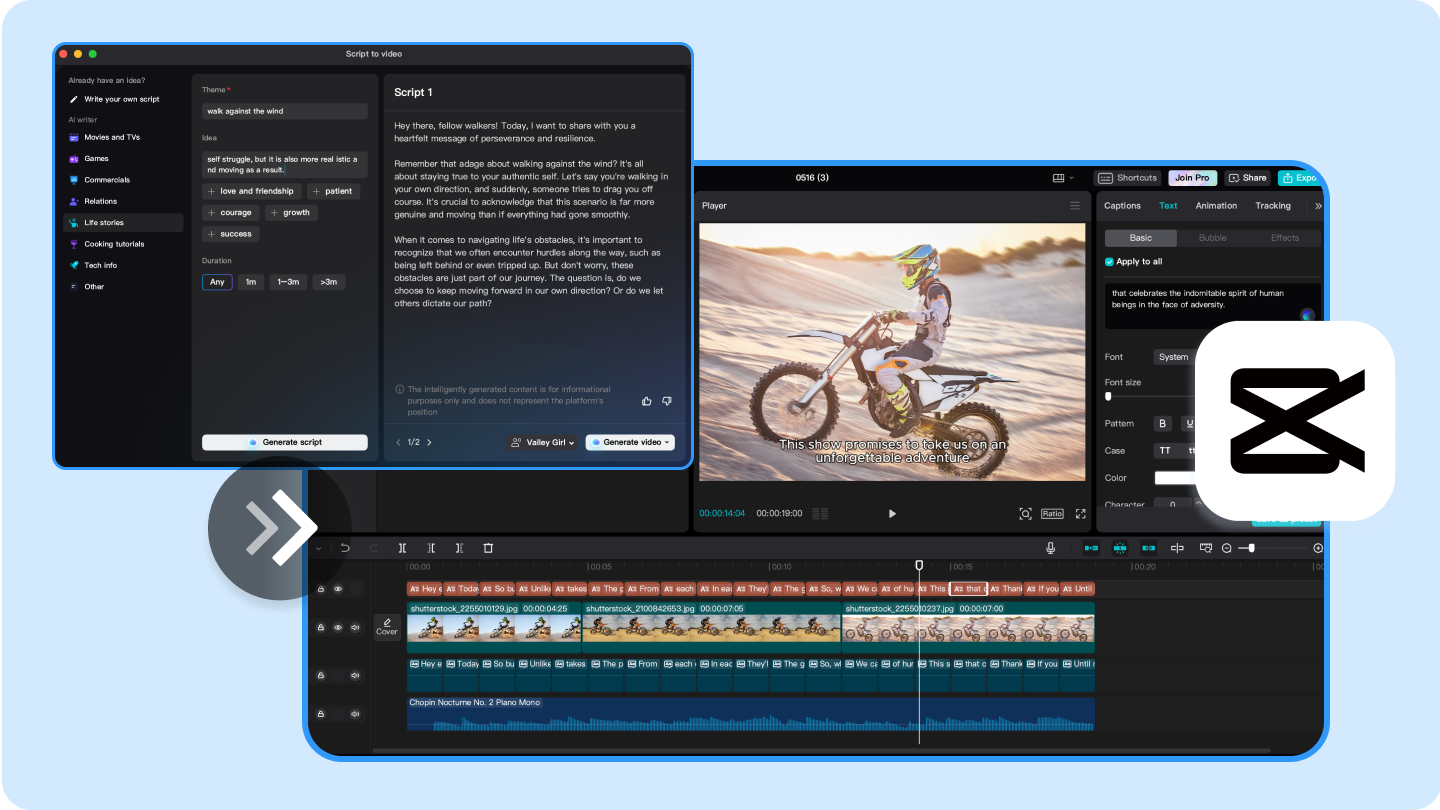
AI has fundamentally changed this dynamic. Automated tools now allow creators to generate videos and narration from simple text inputs. An advanced ai video generator can interpret written content, structure scenes, add visuals, and arrange transitions in a cohesive narrative flow. This significantly reduces production time while maintaining a professional appearance.
The result is not just efficiency, but creative freedom. Creators can experiment more, publish consistently, and focus on content quality rather than technical barriers.
AI Video Generation and Visual Storytelling
Video remains the most engaging form of digital content, but producing it consistently has always been a challenge. AI video generation addresses this challenge by simplifying complex processes such as scene selection, timing, and visual alignment.
An ai video generator works by analyzing context and intent. Instead of merely stitching clips together, it organizes visuals in a way that supports storytelling. This approach allows creators to maintain narrative clarity while scaling production. Educational creators, for example, can transform scripts into explainer videos without manual editing, while content marketers can quickly adapt videos for different platforms.
As AI systems continue to learn from user behavior and engagement metrics, future video generation tools will become even more refined, offering smarter pacing, better visual relevance, and adaptive formatting.
Voice Automation and the Rise of Scalable Audio Content
Audio quality plays a critical role in how digital content is perceived. Clear narration enhances understanding, improves engagement, and adds credibility. However, recording voiceovers is not always practical for every creator.
This is where ai voice generator technology has made a significant impact. By converting written scripts into natural-sounding speech, AI enables creators to produce consistent audio content without relying on recording sessions. These tools are especially valuable for creators who publish frequently, work in multiple languages, or prioritize accessibility.
As voice synthesis technology evolves, it is becoming more expressive and human-like. Improved intonation, pacing, and pronunciation allow AI-generated voices to blend seamlessly into professional media production.
Improving Accessibility and Global Reach
One of the most important contributions of AI-driven voice and video tools is improved accessibility. Digital content must cater to diverse audiences, including individuals with visual or auditory challenges and users from different linguistic backgrounds.
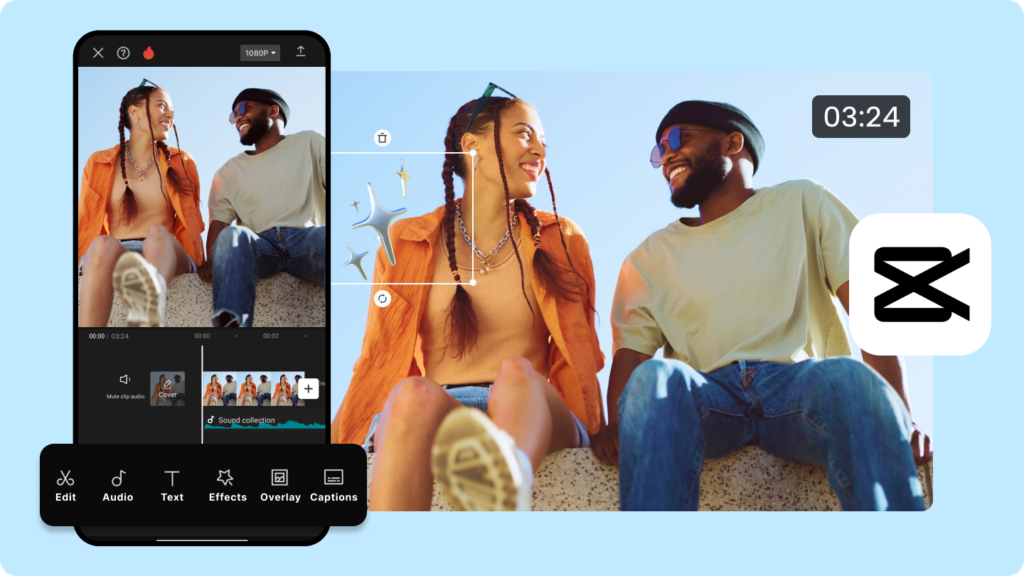
AI-generated voiceovers make videos accessible to users who rely on audio explanations. Meanwhile, automated video creation supports subtitles, captions, and visual cues that enhance comprehension. Together, these features expand content reach beyond geographic and language barriers.
Creators can now repurpose the same content into multiple formats without starting from scratch. This adaptability is crucial in a digital environment where inclusivity and accessibility are increasingly valued.
Ethical Considerations and Creative Control
Despite the benefits of automation, questions around originality and authenticity remain important. Some fear that AI-generated media could lead to repetitive or low-quality content. However, AI does not create meaning on its own; it operates based on human input.
The most successful creators use AI as a support system rather than a replacement. Human creativity drives the message, perspective, and emotional depth of content, while AI enhances execution and efficiency. Maintaining this balance ensures that automation strengthens rather than diminishes creative expression.
Transparency and thoughtful usage will play a key role in maintaining audience trust as AI-generated media becomes more common.
Real-World Impact on Digital Media Industries
Across industries, AI video and voice tools are transforming workflows:
- Education: Instructors create lessons faster with automated visuals and narration.
- Marketing: Brands scale content production while maintaining consistency.
- Publishing: Informational content is enhanced with video summaries and voice explanations.
- Independent creators: Solo creators compete with larger teams using automation.
These applications highlight how AI reduces dependency on large production teams and enables agility in content creation.
The Future of AI in Digital Media Production
Looking ahead, AI will play an even more strategic role in media creation. Future developments may include emotion-aware voice synthesis, adaptive video narratives, and real-time content optimization based on viewer behavior.
As AI becomes more integrated into creative workflows, the distinction between manual and automated production will continue to blur. What will matter most is how effectively creators use these tools to deliver value, clarity, and authenticity.
Conclusion
AI video and voice generators are reshaping digital media production by enabling high-quality content creation that is more accessible, efficient, and scalable. An AI video generator and an AI voice generator illustrate how automation can strengthen creative workflows while preserving human insight.
As technology continues to evolve, creators who embrace AI thoughtfully will be better equipped to produce meaningful, engaging, and discoverable content. The future of digital media lies in collaboration between human creativity and intelligent automation — a balance that defines the next generation of content production.