Finding the ‘right’ therapeutic fit is crucial at the beginning of the healing journey, and many people have found that combination of evidence-based therapy, emotional safety, and personalized care treatment planning to be the most effective. Working with a therapist through structured trauma recovery programs enables clients to navigate their emotional pain associated with the trauma and learn how to respond more effectively and healthily to their emotions.
People seeking effective treatment want programs that work on trauma specifically, rather than just symptoms. This is why many decide to start their journey with trauma-focused clinical support, such as Trauma Recovery programs that aim to foster emotional resilience and long-term recovery.
How Trauma Impacts Emotional Health
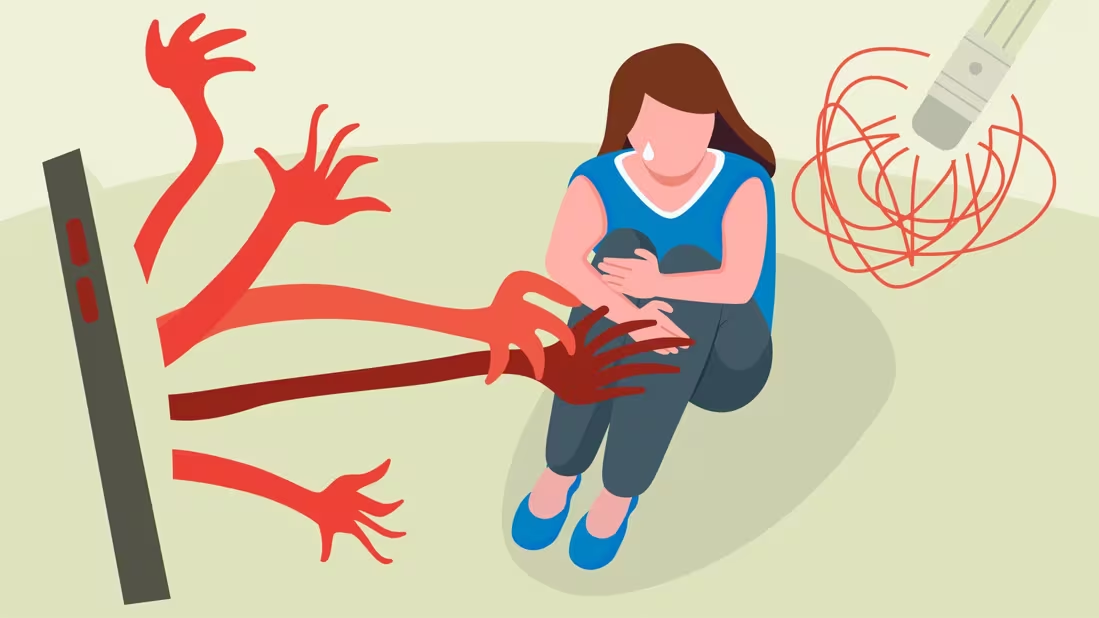
Trauma goes beyond memory. It also disrupts the nervous system, emotional regulation, feelings of self-worth, and interpersonal relationships. Unprocessed trauma can cause anxiety, depression, emotional numbness, sleep issues, and difficulty with trust. Most of these effects tend to remain if therapeutic care is not given.
Some people try to manage on their own, but trauma symptoms response can get worse. Emotional triggers can come up randomly and make everyday tasks harder. This is why trauma-informed therapeutic support is so crucial. In well-designed trauma recovery programs, participants are given a safe environment to examine emotional states and learn the impact of trauma on their thinking and behavior.
People become ready for healing when they learn that trauma reactions are adaptive responses and not personal failures. Therapy helps people make this shift, and in the process reinterpret emotional responses and increase self-compassion. As time goes on, trauma-informed therapy provides emotional stability and inner stability.
Why structured treatment is essential for recovery
Unstructured attempts to heal leave many individuals feeling stuck or even more overwhelmed. Self-healing strategies can be helpful to a degree; however, trauma is something that needs to be addressed with a professional to maintain emotional safety. Trauma recovery programs create a safe space to heal using structured techniques, boundaries, and evidence-based strategies to support emotional healing.
One of the most vital parts of trauma treatment is to teach patients emotional regulation. Trauma can make it difficult for the body to calm down and return to a ‘baseline.’ Therapy guides folks in recognizing different stress responses and growing tools to better manage heightened emotions. With care, these tools are internalized.
In addition, structured programs create a safe therapeutic setting. This safety shield allows people to work on difficult emotions and painful traumatic experiences without the danger of emotional flooding. Gradually, emotional processing becomes more difficult, and healing speeds up.
Core elements of effective trauma therapy
Effective care focuses on more than the past and the memories of the experiences that hold trauma. It heavily focuses on emotional regulation and stabilization before deep processing can even begin. Trauma recovery programs are meant to create an emotionally safe space to work at the individual’s pace.
In order to have a good therapeutic relationship, the therapist and patient must have trust, emotional safety, and good communication. Therapists teach the individuals what their triggers and responses are, and how to move toward better coping. As the therapy continues, the patient will have better emotional insight and will become more self-aware.
Reconnecting with the body is important, too. Because of trauma, many individuals disconnect themselves from physical sensations. As a protective response, therapy will gradually bring back this connection, allowing individuals to feel grounded and present, rather than reactive to their trauma.
The role of evidence-based therapeutic approaches
For many trauma survivors, the evidence-based therapy approaches are quite helpful. Because of the studies on clinical best practices, trauma survivors still receive a great deal of personal customization. With trauma survivors, these practices positively influence both the emotional and physical sides of trauma.
Trauma survivors often need to shift their thinking toward positive and healthy thoughts. Cognitive-based approaches to trauma focus on guilt, shame, and fear, which are dysfunctional beliefs that prevail after trauma. The goal of therapy is to extinguish these dysfunctional beliefs.
Somatic therapy is an evidence-based approach that uses mindfulness to assist trauma survivors, and it’s also helpful for trauma survivors. Although each trauma survivor has their own way of coping, the mind and body must be coordinated after trauma.
Emotional Regulation and Long-Term Stability
Improved emotional regulation is one of the most beneficial results of trauma-focused care. Trauma can cause emotional extremes that can feel out of control. Therapy helps people learn how to identify the early signs of emotional escalation and how to respond in healthier ways.
Emotional stability is a foundational element in trauma recovery. Programs focus on developing skills that can lead to emotional stability. Some of these skills include emotion regulation, stress management, and grounding. As people use these skills, self-confidence in emotional regulation is strengthened.
Emotional stability can impact several other areas of a person’s life. Relationships get better, communication is more effective, and the daily stressors are easier to cope with. Emotional resilience is also strengthened, and more effective therapy can increase resilience even more.
Addressing Co-occurring Mental Health Concerns
It is common for people to experience trauma and also have other mental health conditions, such as anxiety, depression, and mood-related symptoms. Effective trauma recovery programs understand and address these challenges.
Therapy helps people learn how trauma can exacerbate mental health conditions. Recognizing these challenges in a trauma recovery program is important because it helps ensure treatment is focused on the root cause and not just the symptoms. This, in turn, strengthens the emotional relief and allows it to be more long-lasting.
Addressing co-occurring issues in therapy aids in achieving a more balanced and complete recovery. Individuals understand their emotional responses better and feel more equipped to tackle their challenges.
Building trust and emotional safety in therapy
Trust is a crucial element in the healing process from trauma. Without emotional safety, progress is limited. Programs to heal trauma focus on creating safe spaces for clients, where they feel heard and supported.
Therapists are with their clients as partners, allowing them to control their own process of healing. This sense of ownership restores trust that may have been broken by previous experiences.
With increasing trust, clients are more willing to explore their emotions. This enables therapy to go deeper while keeping emotional equilibrium. This supportive space allows healing to unfold.
Personal growth through trauma-informed care
Healing from trauma is not only about feeling better. It is about the growth and self-discovery that comes along with it. Programs for trauma recovery guide clients to re-establish their core values, strengths, and purpose.
Clients also gain more self-acceptance as well as emotional insight. These factors lead to better decision-making and improved relationships with themselves. The emotional growth achieved from therapy is extended as skills are integrated into life.
The outcome of trauma-informed care is that people begin to feel empowered. They understand that healing is possible, and emotional strength can be developed with the proper guidance and support.
Benefits of Professional Trauma Therapy
The benefits of trauma therapy are not limited to the alleviation of symptoms. They include emotional confidence, self-esteem, and satisfaction in relationships. Structured trauma therapy is the foundation of lasting mental health.
Beyond the emotional and behavioral patterns of responding that most trauma recovery programs work to change are the internal negative belief systems that most comprehensive programs work to shift. Over time, the individual engages in behavioral and emotional patterns that provide them with a feeling of control.
The Right Path to Healing
Guided trauma recovery programs provide individuals with the most flexible structure, from which the healing pathway can be developed. The journey of healing is a brave one, made easier by the presence of care and the use of therapies that are grounded in scientific evidence. Healing is an experience of emotional growth and resilience that you can begin to experience as a journey of increasing complexity.
continued support and encouragement reinforces self trust and progress, and while working with Nashville Mental Health professionals, trauma-informed therapy practitioners, individuals can meaningfully heal and support long-lasting emotional well-being.