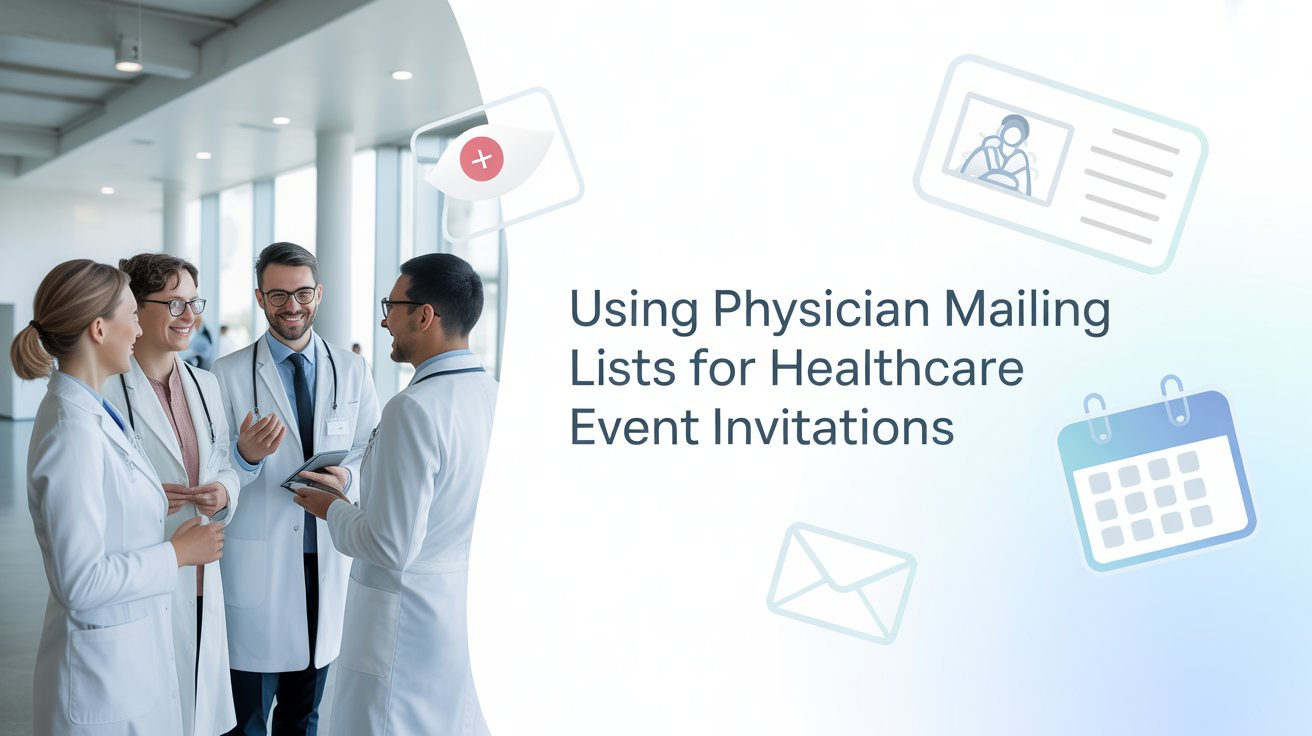
Healthcare events such as medical conferences, CME programs, product demonstrations, webinars, and symposiums rely heavily on reaching the right audience. Physicians remain one of the most valuable and influential audiences in the healthcare ecosystem, making targeted outreach essential. A Physician Email List plays a crucial role in ensuring that event invitations reach qualified medical professionals who are most likely to engage, attend, and convert.
In an increasingly competitive healthcare marketing landscape, personalized and data-driven outreach methods are no longer optional. Leveraging curated physician databases helps healthcare organizations, pharmaceutical companies, and medical device manufacturers maximize attendance while maintaining relevance and compliance.
Why Physician-Focused Event Marketing Matters
Physicians have limited time and high expectations when it comes to professional events. Generic invitations sent to broad audiences often result in low open rates and poor attendance. Targeted physician outreach allows marketers to focus on specific specialties, geographic locations, and professional interests, ensuring that invitations resonate with recipients.
By using segmented physician data, event organizers can:
- Improve attendance rates
- Reduce marketing waste
- Deliver more relevant messaging
- Strengthen brand credibility within the medical community
This approach ensures that healthcare events provide real value to both hosts and attendees.
How Physician Mailing Lists Support Event Invitations
Physician mailing lists contain verified contact details and professional attributes that help marketers design precise outreach campaigns. These lists are commonly used for inviting physicians to both physical and virtual healthcare events.
Key ways physician data supports event invitations include:
- Targeting by medical specialty (e.g., cardiology, orthopedics, oncology)
- Geographic targeting for regional or city-based events
- Outreach based on practice type, hospital affiliation, or role
- Supporting multi-channel promotion through email, direct mail, and digital follow-ups
With proper segmentation, marketers can ensure that invitations are timely, relevant, and aligned with physicians’ professional needs.
Types of Healthcare Events That Benefit from Physician Outreach
Physician-focused mailing data can be used across a wide range of healthcare events, including:
- Medical conferences and annual summits
- Continuing Medical Education (CME) programs
- Pharmaceutical product launches
- Medical device demonstrations
- Clinical research briefings
- Healthcare webinars and virtual roundtables
Each event type benefits from accurate targeting and customized messaging to drive meaningful engagement.
Benefits of Using Targeted Physician Data for Event Campaigns
Using a physician-specific database for event invitations offers measurable advantages over untargeted outreach methods.
Improved Engagement
Physicians are more likely to open, read, and respond to invitations that are directly relevant to their specialty and interests.
Higher Attendance Rates
Targeted campaigns reach physicians who are more inclined to attend, resulting in better turnout and stronger event ROI.
Cost Efficiency
Focused outreach reduces wasted spend on uninterested or unqualified audiences.
Better Personalization
Segmented data allows marketers to tailor subject lines, content, and calls-to-action for different physician groups.
Physician Mailing List Segmentation for Event Invitations
| Segmentation Criteria | Use Case for Events |
| Medical Specialty | Invite only relevant specialists to niche events |
| Geographic Location | Promote local or regional healthcare events |
| Practice Type | Customize messaging for hospitals vs private clinics |
| Years of Experience | Target senior physicians or early-career doctors |
| Hospital Affiliation | Promote institution-specific or partnered events |
Best Practices for Using Physician Mailing Lists for Events
To achieve optimal results, marketers should follow best practices when using physician data for event invitations.
Ensure Data Accuracy
Outdated or incorrect contact information can hurt campaign performance. Always use verified and regularly updated data sources.
Focus on Compliance
Follow applicable data protection regulations and email marketing standards. Ethical data usage builds trust and protects brand reputation.
Craft Clear Messaging
Event invitations should clearly communicate the value of attending, including agenda highlights, speakers, CME credits (if applicable), and registration details.
Use Multi-Touch Campaigns
Combine initial invitations with reminder emails, follow-ups, and post-event communications to increase engagement.
Track and Optimize
Measure open rates, click-through rates, registrations, and attendance to refine future campaigns.
Integrating Physician Mailing Lists with Digital Tools
Modern healthcare marketers often integrate physician databases with CRM and marketing automation platforms. This allows for:
- Automated invitation workflows
- Personalized follow-ups
- Real-time performance tracking
- Better audience insights
Such integration ensures a seamless experience from invitation to post-event engagement.
Measuring Success of Event Invitation Campaigns
Key metrics to evaluate physician event outreach include:
- Email open and click rates
- Registration conversions
- Attendance-to-registration ratio
- Engagement during the event
- Post-event feedback and inquiries
These insights help marketers improve future event strategies and maximize long-term value.
Conclusion
Healthcare events remain a powerful channel for education, collaboration, and business growth. When executed correctly, targeted outreach using accurate physician data can significantly improve event participation and engagement. By focusing on relevance, compliance, and personalization, healthcare marketers can create impactful campaigns that deliver measurable results. A well-segmented Physician Mailing List ultimately serves as a strategic asset for successful healthcare event invitations and long-term professional relationship building.
Read More My Next Mag