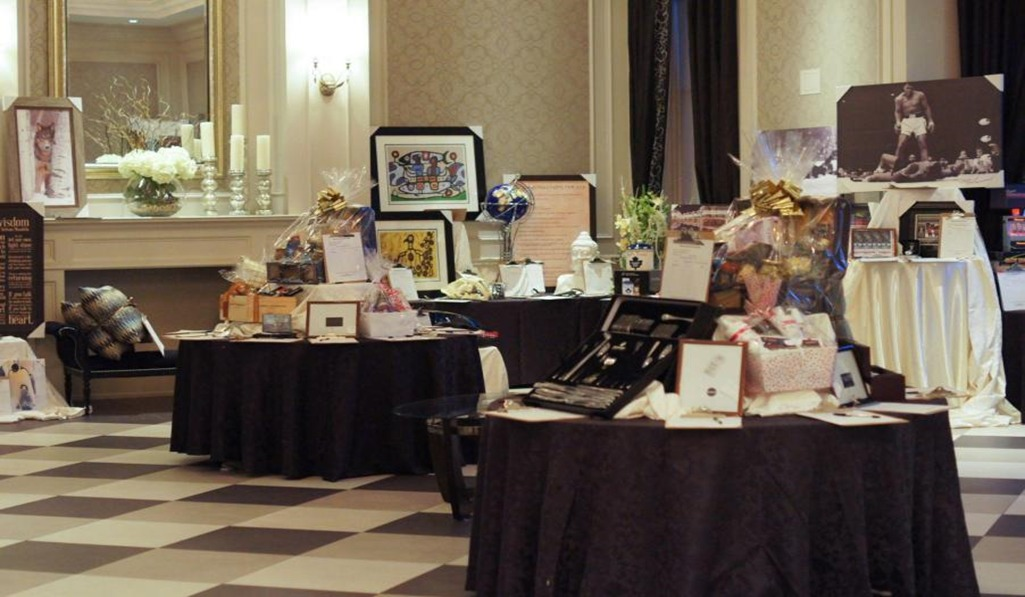
Company culture isn’t built in boardrooms alone. It’s shaped through shared experiences, meaningful connections, and moments that bring people together beyond daily routines. This is where corporate events and company culture intersects, creating opportunities for organizations to reinforce values, build trust, and strengthen relationships in ways that emails and meetings simply can’t.
From leadership retreats and town halls to annual celebrations and recognition dinners, well-planned corporate events play a decisive role in shaping employees’ perceptions of their workplace.
Why Company Culture Extends Beyond the Office
Modern workplaces are increasingly hybrid, distributed, and fast-paced. While flexibility has its advantages, it can also create gaps in communication and connection. Corporate events help bridge those gaps by offering face-to-face interaction in a more relaxed, human setting.
According to a 2025 Gallup workplace engagement update, employees who feel connected to their organization’s culture are significantly more engaged and more likely to stay long term. Events create that connection by turning abstract values into lived experiences.
The Engaging Use of Corporate Events
Employee engagement is one of the most quantifiable benefits of corporate events. During events, employees have something to look forward to and take pride in being part of it.
The primary engagement drivers that are sponsored by corporate events are:
- Recognition and appreciation – Award nights, milestone celebrations and appreciation dinners, affirm that contributions are essential.
- Inclusion: Making teams inter-departmental and inter-seniority-level makes everyone feel they are on the same mission.
- Emotional attachment – Good memories together will enhance loyalty in a way that is way beyond emails or internal announcements.
When employees are perceived and appreciated, they report to work even more motivated and committed.
Strengthening Values in the Company by Experience
It is easier to believe in company values when they are lived rather than merely declared. Corporate events are the best way to make values come into being.
For example:
- A business that appreciates teamwork can create interactive workshops or team-building exercises.
- An organization that values innovation can have immersive product launches or idea showcases.
- Wellbeing, inclusivity, and celebration can be at the centre of events for organizations that are people-first cultures.
The surroundings are significant here. These values can be an uninterrupted extension of design, flow, and atmosphere through the choice of a well-thought-out venue with versatile layouts, quality catering, and reliable audiovisual support. Thoughtful planning also includes practical considerations such as event insurance cost, ensuring the experience is not only inspiring but responsibly protected for both organizers and attendees.
Empowering Relationships Among Teams
Blended work arrangements and hectic work schedules usually minimize the time to connect on a real basis. The corporate events once again bring human relations to the forefront.
They help:
- Dissolve inter-departmental silos.
- Enhance the leadership-staff communication.
- Create trust by having unstructured discussions.
One of the most significant benefits of corporate events is their ability to counteract the “loneliness epidemic” that has surfaced in the wake of remote work. While digital tools like Slack and Zoom facilitate tasks, they rarely foster the “serendipitous” conversations that spark innovation and trust.
Employees will collaborate more effectively in the office when they interact with each other outside formal work environments. Such relationships have a direct impact on productivity, morale and overall retention.
Best Practices for Culture-Building Events
Not all corporate events contribute equally to culture. The most impactful gatherings share common characteristics that maximize their cultural influence.
Authenticity matters above all else. Events that feel forced or disconnected from actual organizational values create cynicism rather than connection. Cultural alignment ensures that event themes, formats, and messages reinforce rather than contradict daily workplace realities.
Inclusivity expands impact. Events accessible to all employees regardless of role, location, dietary restrictions, or personal circumstances demonstrate that culture encompasses everyone.
Balance structure with spontaneity. While professional planning ensures smooth execution, the most memorable moments often occur during unscripted interactions. Creating space for organic connection matters as much as orchestrating formal programs.
The Reason Why the Right Venue Matters
Corporate events do not all have the same effect. It is a venue of great importance in shaping the feelings of an event and how people approach it.
A professional venue offers:
- Distraction-free, neutral environments.
- Adjustable presentation, dining and networking areas.
- High-quality food and service that elevate the experience.
- Speech, panel, and multimedia technical dependability.
Choosing a Dedicated Corporate Event Venue Vaughan
Organizations that trust enable planners to focus on purpose and experience rather than logistics.
Companies such as Hazelton Manor are designed to accommodate all levels of executive parties, from massive corporate events to intimate gatherings, allowing companies to host events that are neither overly complex nor overly simple, but purposeful, refined, and memorable.
Cultural Long-term Effects of Corporate Events
Corporate events are not only about the event itself. They have a lasting effect on guests even after they move out.
Well-executed events can:
- Enhance internal communication.
- Increase employee loyalty
- Enhance the employer brand’s reputation.
- Encourage talent acquisition and retention.
When employees have an emotional attachment to the workplace, they tend to remain, develop, and become organization promoters in the outside world.
Final Thoughts
Corporate events are more than social gatherings; they are strategic tools for shaping culture. When thoughtfully planned and hosted in environments designed for meaningful interaction, they help organizations build trust, reinforce values, and create a sense of belonging.
In a time when connection matters more than ever, investing in corporate events is an investment in people and ultimately, in the future of the company.