A Screen Recorder allows you to capture on-screen activity and turn it into a video file. Instead of typing long instructions or taking multiple screenshots, you can record your actions and explain them visually. This makes screen recording one of the most practical tools for modern learning, content creation, and remote work.
From short how-to clips to full software walkthroughs, screen recorders help you communicate faster and more clearly.
What Is a Screen Recorder and Why Does It Matter
A screen recorder is software or a built-in system feature that records what happens on your screen over time. It can capture cursor movement, app interactions, and system changes while optionally recording voice or internal audio.
This matters because people understand visuals faster than text. Watching a short recorded demonstration often explains a process better than reading detailed instructions.
How Screen Recording Works Behind the Scenes
When recording starts, the screen recorder takes continuous snapshots of your screen and merges them into a smooth video. Audio, if enabled, is recorded at the same time and synced with the video.
Most tools let you control:
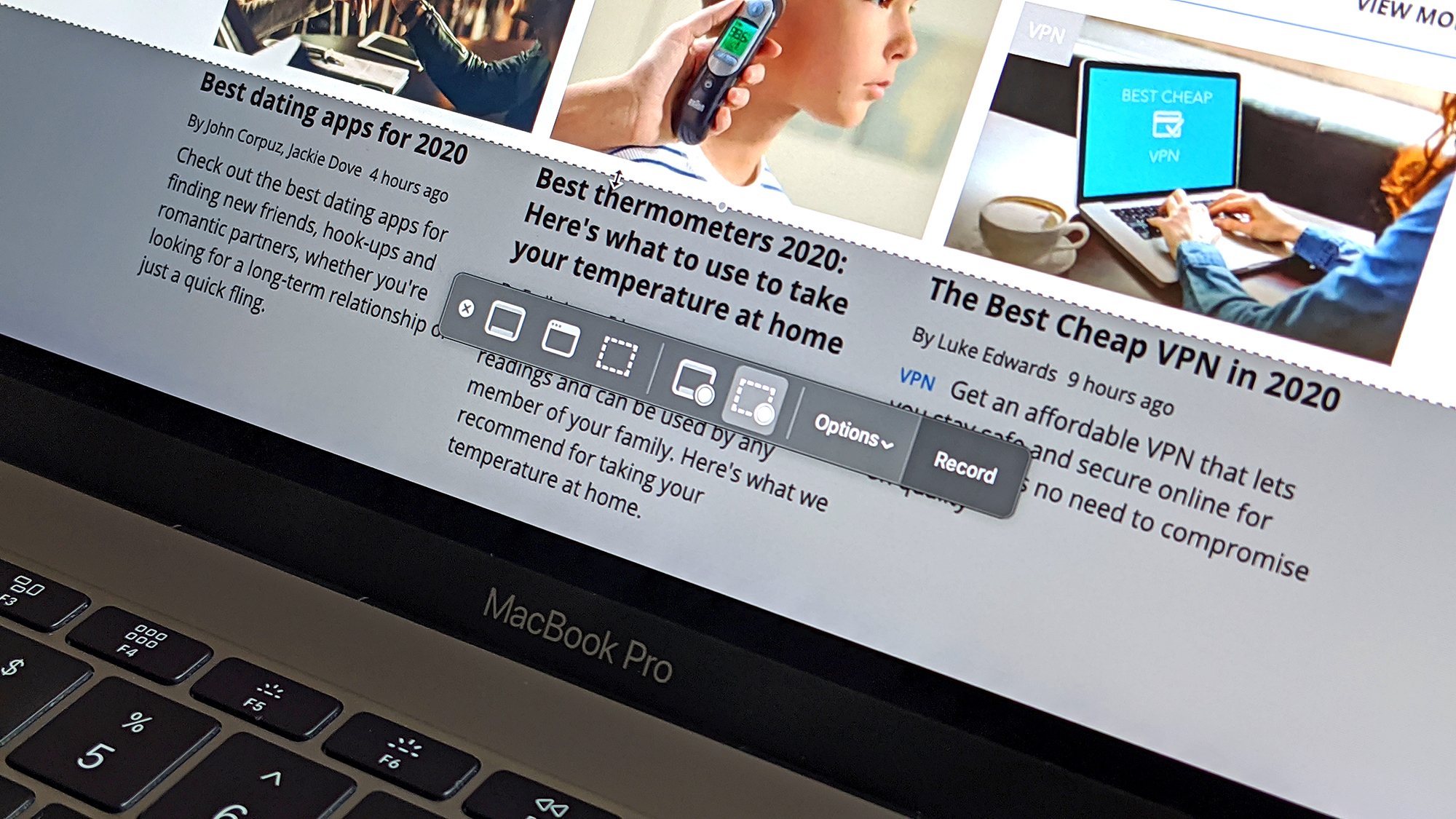
- Recording area (entire screen or selected section)
- Audio sources (microphone, system sound, or both)
- Video resolution and frame rate
After stopping the recording, the file is saved automatically and ready to edit or share.
Everyday Uses of a Screen Recorder
Screen recording is used across many industries and personal tasks:
- Education – teachers explain lessons visually
- Business – teams share workflows and training videos.
- Freelancing – designers and developers send visual feedback
- Tech support – users show issues clearly
- Content creation – creators record tutorials, reviews, and demos
These videos reduce misunderstandings and save time for both the sender and viewer.
Important Features to Consider Before Choosing One
Choosing the right screen recorder depends on how you plan to use it.
Video Clarity
Look for tools that support HD or Full HD recording. Crisp visuals make instructions easier to follow.
Audio Control
A good screen recorder should record both your voice and internal system sounds without distortion.
Editing Options
Built-in trimming, highlighting, and annotations help polish recordings without using extra software.
User Experience
Simple controls matter. If starting a recording takes too many steps, productivity suffers.
File Sharing Options
Easy export formats and quick sharing links are helpful for collaboration.
Free and Paid Screen Recorders Explained
Free iTop Screen Recorder works well for basic needs like short clips or quick explanations. Some may include watermarks or limit features.
Paid screen recorders usually offer:
- Better performance and stability
- Advanced editing tools
- Higher quality exports
- Cloud storage and collaboration features
If screen recording is part of your daily work, premium tools are often worth it.
Legal and Ethical Considerations
Before recording, always consider privacy. Never record private conversations or screens without permission. Some apps and streaming platforms block screen recording to protect copyrighted content.
Conclusion
A screen recorder is more than just a recording tool. It’s a communication shortcut that helps you explain ideas, teach skills, and solve problems visually. Whether you use a free option or a premium solution, the right screen recorder can improve how you share information and work online.