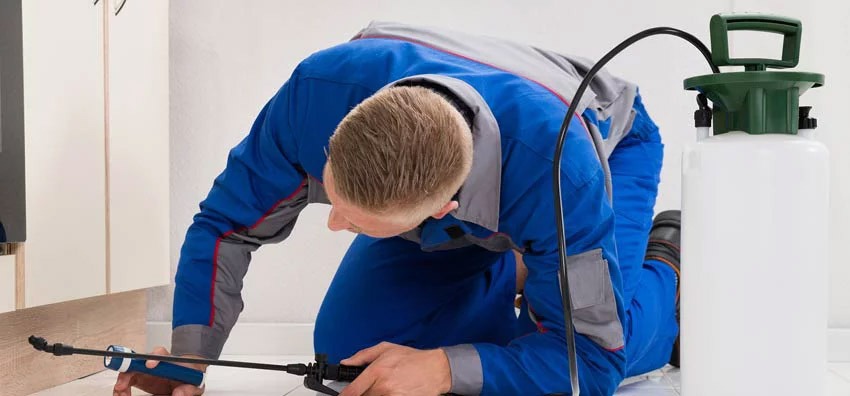
Pests can turn your Surrey home or business into an ongoing headache, but you don’t have to tolerate them. Local pest control pros and proven DIY steps can stop infestations quickly and keep them from coming back, so you regain control of your space.
This article shows what effective pest control Surrey looks like, from eco-conscious services and wildlife removal to targeted treatments for ants, rodents, bed bugs, and termites. You’ll learn practical options, what to expect from professionals, and simple prevention measures so you can choose the approach that fits your property and timeline.
Comprehensive Pest Control Services in Surrey
You’ll find targeted solutions for homes, businesses, and the environment, delivered by licensed technicians who inspect, treat, and prevent recurring infestations with documented action plans.
Residential Pest Management Solutions
You get a tailored inspection that identifies species, entry points, and attraction sources like food or moisture. Technicians recommend a specific combination of exclusion (sealing gaps, door sweeps), device placement (bait stations, tamper-resistant traps), and targeted treatments for ants, mice, rats, spiders, or wasps.
Service plans often include scheduled follow-ups — typically every 30–90 days — to monitor activity and adjust treatments. Expect written reports showing findings, actions taken, and homeowner tasks (cleaning food debris, trimming vegetation) so you can reduce recurrence. If rodents are found, crews locate and seal openings down to 1/4″ and advise on attic insulation and vent screens to stop re-entry.
Commercial Pest Prevention Programs
Your business receives a site-specific program aligned with industry standards and regulatory needs (food safety, public health). Inspectors map high-risk zones: loading docks, kitchens, storage areas, and service voids, then place monitoring stations and use digital logs for audit trails.
Protocols cover routine inspections, response timelines (typically 24–48 hours for active infestations), corrective actions, and documentation for compliance audits. Integrated pest management (IPM) measures focus on sanitation, structural fixes, and non-chemical controls to protect inventory and brand reputation. You can request service schedules outside business hours to avoid disruption.
Eco-Friendly and Safe Pest Treatments
You retain options that prioritize low-toxicity products and techniques, such as baiting systems, pheromone traps, and targeted spot treatments rather than broadcast spraying. Technicians assess human and pet exposure risks and choose products registered for residential or commercial use in British Columbia.
Providers often follow IPM principles: monitoring first, threshold-based action, and prevention steps before chemical use. When chemicals are necessary, they apply them in precise, labeled amounts and provide safety instructions, re-entry times, and material data sheets. You can also ask for organic or reduced-risk product lists and certification information for peace of mind.
Common Pests in Surrey and How to Treat Them
You’ll encounter a small set of recurring pests that seek food, warmth, or moisture. Each pest requires targeted inspection, exclusion, and treatment steps to remove them and reduce the chance of return.
Rodent Infestations
Rodents in Surrey—mainly mice and Norway rats—enter homes through gaps larger than 6–10 mm, basements, crawlspaces, and roofline openings. Look for droppings, greasy rub marks along walls, chewed wires or insulation, and nocturnal scratching sounds.
Start with exclusion: seal holes with steel wool, copper mesh, or metal flashing; fit door sweeps and repair vents. Set traps in locations with fresh droppings, near runways, and by food sources. Use snap traps for quick kills or tamper-resistant bait stations placed where pets and children cannot reach. Avoid simply relocating rats or mice; that leaves breeding populations in place.
Address sanitation: store food in sealed containers, remove bird seed and pet food overnight, and clear clutter where rodents nest. If you suspect a large or persistent infestation, call a licensed pest professional who can assess structural entry points and apply integrated rodent management safely.
Ant and Insect Control
Common Surrey insects include pavement ants, odorous house ants, flies, cockroaches, spiders, and occasional wasp nests. Identify ants by trail behavior and choose bait that matches their diet—sugar baits for sweet-feeding species, protein or grease baits for others. Follow trails to nests; treating only trails with sprays gives temporary results.
For cockroaches, focus on sanitation and targeted gel baits in cracks, behind appliances, and inside cabinets. Use glue boards to monitor activity. Fly control relies on eliminating breeding sites (garbage, drains) and using traps or screens. For wasps, never attempt high nests yourself; hire a technician who uses appropriate protective gear and removal techniques.
Combine exclusion (seal gaps, screens), habitat reduction (fix leaks, trim vegetation away from foundations), and targeted baits or professional treatments for lasting control.
Bed Bug Elimination
Bed bugs hide in mattress seams, bed frames, baseboards, electrical outlets, and luggage. Signs include small bloodstains on sheets, dark fecal spots, and live bugs that are reddish-brown and oval. Inspect seams, tufts, and furniture joints with a flashlight and use a credit card or knife to probe seams.
Treatments require a multi-step approach: launder bedding and clothing in hot water and high heat drying; vacuum mattresses and surrounding areas, then encase mattresses in certified bed-bug encasements for at least a year. Use steam to penetrate seams and professional-grade insecticides labeled for bed bugs applied by trained technicians. Heat treatments (professional whole-room heating to ≥50°C) provide immediate eradication but must be performed by specialists.
Prevent reintroduction by inspecting luggage after travel, using interceptors under bed legs, and minimizing secondhand furniture intake unless professionally inspected.