Commuters trying to park in busy cities first need to navigate the city’s traffic to find a spot. For those whose job it is to examine traffic patterns and develop solutions to relieve congestion, one approach may be to first identify the correlation between efficient access to parking facilities and improved traffic flow. Here is some information regarding their connection and solutions recommended for both challenges:
Space Availability Influences Traffic Flow
When multiple cars enter a lot with limited space, the result may be backup on the street or vehicles circling the block to find a parking space. Sometimes, one vehicle is blocked by another while someone waits for a spot to open. When drivers have more options to park ahead of time, traffic flow tends to improve indirectly by reducing idling time. The availability of multi-story garages can also reduce the need to park on the street. Strategically located garages help direct traffic to designated entry points; these multi-level structures should be in areas that support local traffic patterns. Criteria for assessing where to locate a structure could include evaluating roadway design and assessing local traffic patterns.
Models for Parking in High-Density Areas
When commuters plan where to park in advance, they are able to easily locate parking garages. If many drivers avoid this step, it could lead to more traffic congestion, unpredictable stopping, or a road accident. Some parking facility websites allow drivers to find open spaces near a specific address or location. Others offer filter searches by day, time, and vehicle type, and they determine whether the garage is indoor or offers valet services.
Garages may offer staggered entry hours, with monthly parkers following one schedule and those using the garage temporarily following another. This tiered access helps prevent many drivers from arriving at the same time. It aims to reduce the number of shared lanes that can disrupt traffic flow in and out of a structure. In areas where a single location serves daytime commuters, evening events, and weekend overflow, a mixed-use model is often helpful. Operators can create schedules based on times when the garage isn’t used; this includes during the night. Instead of separating drivers spatially, this system is based on commuters’ off-hours use. A structure could be accessible to businesses during the day, but then transition to entertainment or residential access at night.
Smart Technology to Help Commuters
To free up space and improve traffic flow in their areas, some parking garages use smart technology; this helps them become more efficient. Facilities may have installed self-service machines at entrances and pre-purchase systems, both intended to speed entry. License plate recognition technology logs vehicle and owner information to identify authorized guests, and the information is often available across multiple garages. These recognition systems help prevent unauthorized guests from taking reserved spaces. Here are two more smart technology systems to be aware of:
Advanced Tracking
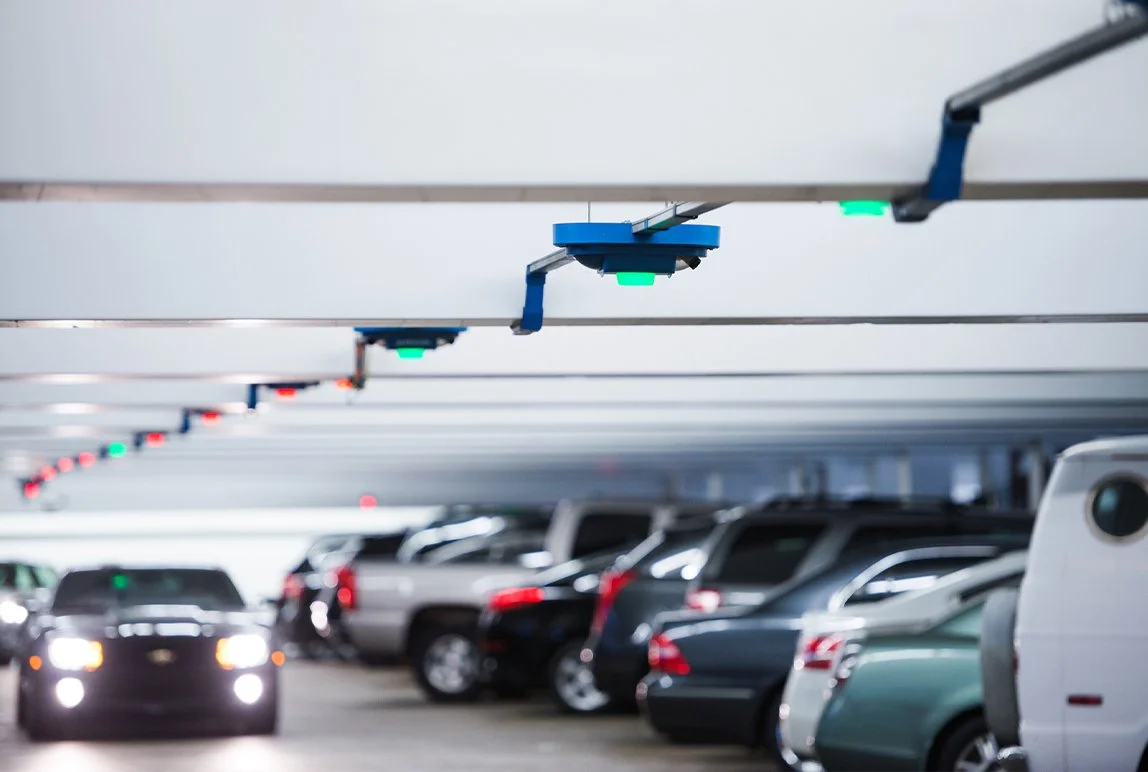
Garages may use occupancy tracking; this data-driven technology uses cameras and sensors to determine available spaces and to identify underutilized areas in a parking structure. It also helps inform longer-term decisions. These decisions include when to hire additional attendants, whether to increase lighting in darker, underused areas, or when to add spaces to keep up with demand.
Reserved Systems
Via an app or website, this service can help drivers find and reserve spots more quickly; this allows them to secure a spot hours or days in advance. By avoiding the need to circle the block or check availability at multiple garages, it also supports improved traffic flow. Some garages offer monthly passes through loyalty programs.
Find a Parking Garage
For urban city commuters, finding a place to park their vehicles may be a daily challenge for a longer-term parking solution. Parking garages help to streamline the process, and they enable drivers to reserve a stall. Those working to solve these problems may learn that traffic impacts the ease with which drivers are able to find parking spots. This sometimes leads to using smart technologies to help garages improve efficiency and flow once drivers arrive, which affects overall traffic flow. When deciding where to park in a city, look for facilities that are familiar with some of the latest strategies, emerging technologies, and operational implementations.