
Introduction
In the current corporate environment, organisations must move beyond basic safety measures. The aim is to stay one step ahead of the market by showing emergency readiness and proactive employee safety.
Integrating a Safety Management System (SMS) software with an Emergency Action Plan is the best step forward. This centralises safety data, automates compliance processes and enables real-time communication during a crisis.
The two systems ensure that procedures for disaster management and operational continuity are predefined. Moreover, roles and responsibilities are clearly documented, ensuring accountability.
An integration of EAP and safety management software enables faster decision-making and accurate reporting. By leveraging such digital tools alongside strategic emergency planning, a more resilient workforce is created.
Read on to learn more about how organisations can use an EAP and safety management software to help an organisation prioritise prevention and ensure consistent improvement.
Safety Management System
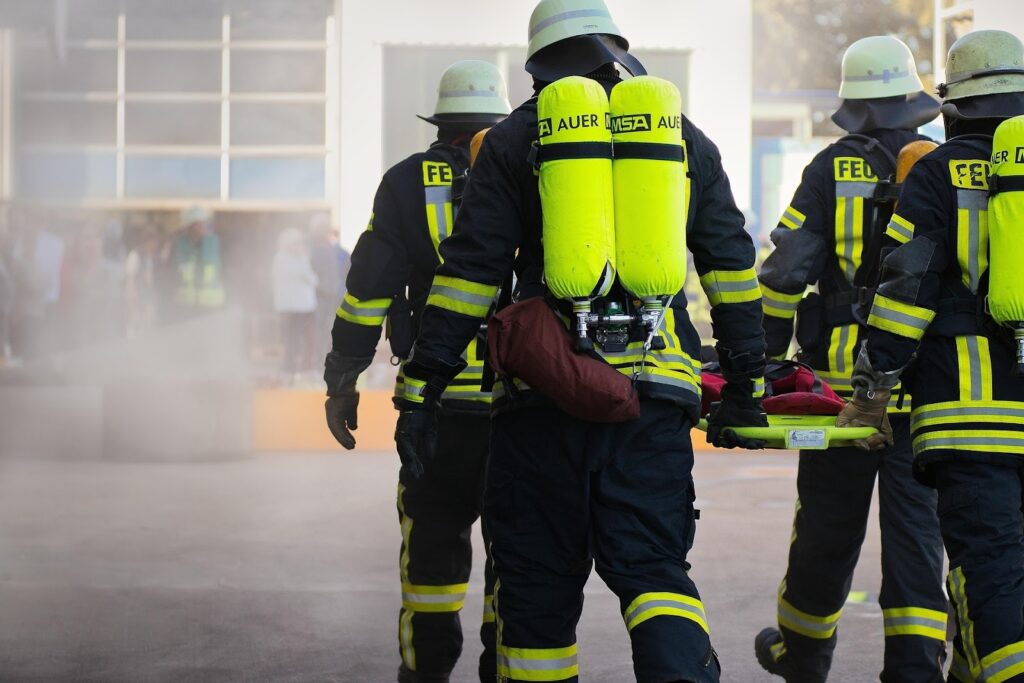
A Safety Management System software is an organisation-wide framework. SMS includes defined policies, procedures, and tools that systematically identify, assess, and control safety risks.
A proactive approach is adopted by building a strong safety culture and providing proactive responses. Commonly used in high-risk industries like aviation, energy and maritime, SMS is a must for organisations of all sizes.
It integrates safety into core operations through timely hazard reporting, risk mitigation and performance monitoring. The key components of a safety management system are:
- Creating Safety Policy
The safety policy outlines the commitment of a management to workplace safety and defines responsibilities. The aim is to frame safety objectives and provide a framework for consistent regulatory compliance.
- Providing Safety Assurance
Safety assurance ensures proper functioning of safety controls. Thorough monitoring of audits and timely inspection of performance help implement timely corrective actions. Continuous safety improvements are focused upon to keep the workforce trained.
- Timely Risk Management
Safety risk management involves identifying hazards and assessing potential risks. Processes are continuously improved to reduce workplace accidents. The management aims to imbibe a sense of safety for colleagues among the workforce by upgrading systems regularly.
- Safety Promotion
Safety promotion focuses on continuous training, clear communication and awareness programs. The aim is to encourage safe behaviour, strengthen employee engagement and build a proactive safety culture among the workforce.
How Does an Emergency Action Plan Benefit Your Workplace?
Here are 9 benefits offered by a thorough emergency action plan and a safety management software:
- Rapid and Efficient Response
A rapid and efficient response to a disaster is only possible if the management works closely with the emergency response teams. Regular comprehensive risk assessments must be done by bringing the two teams together. This ensures consideration of diverse perspectives and also increases responsibility of the plan leading to involvement of the senior leadership as well.
- Compliance with Regulations
A thorough Emergency Action Plan provides a clear and organised system to keep track of changing penalties and regulations. When combined with the latest safety management system, employee safety is ensured which creates responsible workplace practices.
- Minimise Property Damage
An Emergency Action Plan includes the most efficient risk-control measures that help contain emergencies early. These systems limit damage to buildings, equipment, infrastructure and other valuable organisational assets. EAP also includes emergency assistance requests and systems that ensure the sharing of critical information during a crisis which minimises damage to infrastructure.
- Instil Confidence Among Stakeholders
A well-prepared emergency action plan reassures employees about their safety as it is easy to execute. This boosts employee confidence and morale and also increases their productivity. The aim is to gain long-term trust and ensure a sustainable safety system. With the use of the latest safety gear and access to personal protective equipment, the management can instill confidence among the leadership.
- Coordination and Communication
The plan defines clear communication channels and responsibilities. The aim is to ensure the timely flow of information and execute coordinated action between employees and emergency teams during a crisis. Inter-departmental coordination ensures minimum financial loss during a disaster and operational continuity.
- Reputation and Public Perception
Reputation and gaining public perception are a must for any organisation to gain an edge. Effective emergency action plans when combined with the latest health and safety management system software help build stakeholder confidence. This further strengthens the reputation of a company during or after a disaster strikes.
- Operational Continuity
A thorough emergency action plan supports continuity planning by running essential operations. There is a reduction of downtime which enables quicker recovery following an emergency or any other disruption. Once the crisis is over, an emergency action plan is refurbished as alarm systems, sirens and even panic buttons are upgraded.
- Consistent Training and Familiarity
Regular training of employees and drills linked to any emergency action plan increases employee awareness. They gain familiarity with the systems and regain their confidence. Employees become familiar with any changes done to contacting local emergency services and medical facilities. The exercise aims to ensure a more effective response during an actual emergency.
- Automatic Review and Update
Safety management systems are automatically reviewed and updated as and when governments make new regulations. With automatic updates, occupational health and safety systems at a workplace are also reviewed by the leadership. The management is able to implement these changes more proactively as the software provides them with relevant training or courses.
The Bottom Line
An emergency action plan is a critical workplace safety tool. With the help of the latest safety management software, a secure workplace can be created along with well-prepared management. By addressing multiple emergency scenarios and actively involving employees in planning and response, an EAP can reduce risks and prevent incidents related to hazardous materials. Integrating the latest safety management software with emergency action strategies further instils confidence among employees and stakeholders to enhance overall organisational resilience.
Frequently Asked Questions (FAQs)
What is OSHA?
Answer: OSHA stands for Occupational Safety and Health Administration. The mission of OSHA is to ensure that employees always work in a safe environment. Standards are enforced regularly and required training is provided consistently with proper education and assistance.
Which ISO specifies requirements for occupational health and safety management systems?
Answer: ISO 45001 is the international standard that specifies requirements for occupational health and safety in an organisation. The standard offers requirements important to managing risks and opportunities to prevent work-related injuries.
What are the 4 C’s of maintaining safety at the workplace?
Answer: The 4 C’s of maintaining safety and security of employees at a workplace are communication, commitment, competence and compliance. These are actionable principles that are applicable across multiple sectors and in all departments.
What are the 3 main categories or types of hazard control every organisation must implement?
Answer: The 3 most essential categories of hazard control that every organization must arrange for are training employees regularly at the workplace; updating procedures in accordance with hazardous objects or practices available at a workplace; making required changes to equipment or engineering controls regularly.
What is the full form of PPE in safety?
Answer: PPE in terms of occupational health and safety management system stands for Personal Protective Equipment. PPE kits are provided to employees for minimising exposure to hazardous chemicals or protecting oneself from biological and chemical hazards.