Ever wonder why your favorite small shop suddenly started selling something that used to feel completely out of place?
Maybe a bakery began offering gluten-free Asian desserts. Maybe a local gym started carrying resistance bands from Germany. These shifts aren’t random. Small businesses are adjusting not just to local trends, but to signals coming from across the globe. In this blog, we will share how global demand quietly reshapes small business strategy in ways you don’t always see—but definitely feel.
When Global Trends Hit the Local Ledger
A small business doesn’t exist in a vacuum. Even if its storefront sits on a quiet street, its supply chain doesn’t. Today, global demand is shaping what gets stocked, how it gets priced, and even whether it’s available at all. When demand spikes for an item overseas, it tightens supply for everyone else. When a product goes viral on TikTok in Singapore, it can cause shortages in Kansas.
Small companies used to make decisions based on local behavior—customer feedback, sales patterns, maybe some neighborhood gossip. Now they’re reacting to market activity half a world away. A spike in electric vehicle production in Europe can drain lithium supplies for a hardware supplier in Arizona. A cold snap in East Asia can reroute heating products meant for U.S. retailers. These shifts aren’t hypothetical. They hit invoices. They delay restocks. They change margins.
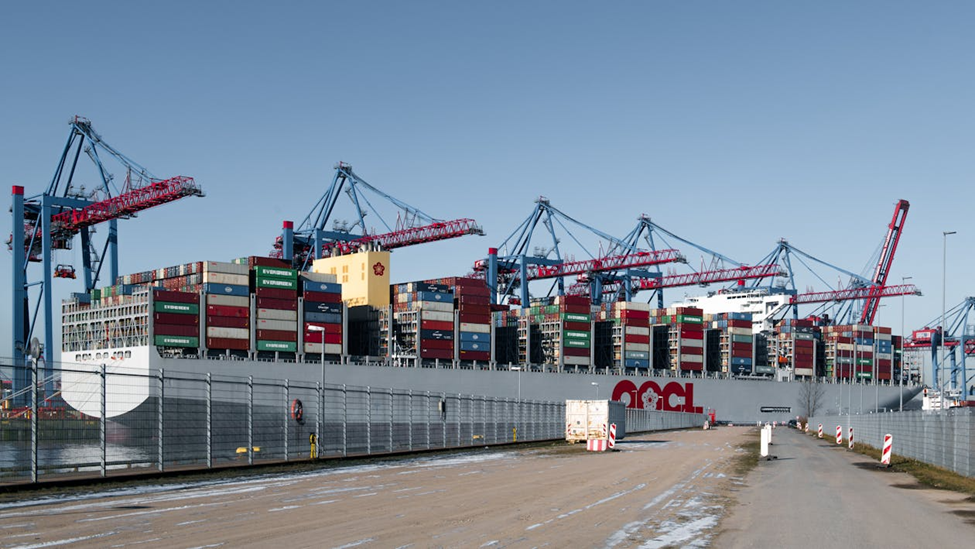
To adjust, small businesses are building smarter models. Inventory isn’t just about volume anymore—it’s about timing, flexibility, and control. Some are turning toward modular warehousing or using offsite storage to stay nimble when ports slow down or freight rates climb. Others are buying in bulk during off-peak months. And many have started buying secondhand infrastructure like shipping containers for sale to create low-cost storage alternatives or pop-up spaces that let them hold stock longer without renting full warehouses.
This isn’t a trend. It’s a shift. When the global clock ticks faster than your restock cycle, you either adapt your model—or you miss the sale entirely.
Small Doesn’t Mean Simple Anymore
Being a small business once meant being nimble. Now it means being strategic under pressure. Global demand doesn’t just affect supply—it reshapes what customers expect. Consumers are exposed to international trends constantly. They see what’s hot in Paris, Seoul, and Nairobi, and they want access to it here, now, and without the markup. That puts enormous pressure on local businesses to source differently, price competitively, and move quickly.
A boutique shop can no longer just stock local handmade goods and expect to meet demand. If the market craves sustainable denim from Japan, they have to figure out how to get it—or at least offer something that feels like it. If a particular skincare line explodes in the Middle East, their younger customers might start asking why it’s not available in-store.
But speed and access require planning. Small businesses now find themselves doing informal trend forecasting, watching global social channels, or even following international trade news to spot early signals. Some invest in market intelligence tools. Others tap into niche distributor networks or global dropshipping models. All of it adds complexity to what used to be a relatively straightforward business.
Ironically, the more global everything becomes, the more local businesses have to level up—not to scale, but to survive.
When Global Supply Chains Become Everyone’s Problem
It’s hard to talk about strategy shifts without acknowledging what the last few years exposed. COVID-19 didn’t just disrupt supply chains—it pulled back the curtain on how fragile those systems really were. Ships stuck at sea, warehouses sitting empty, factories offline for months. Suddenly, every small business owner had a crash course in international freight.
And the ripple effects haven’t stopped. Even now, climate shocks, labor disputes, and geopolitical tensions regularly affect delivery times and inventory access. Something as simple as a shipping delay in Rotterdam might mean a construction company in New Mexico has to wait an extra month for replacement parts. No one’s insulated anymore.
Small businesses are responding by bringing some control back into their hands. Some are onshoring part of their supply lines. Others are diversifying their vendors across regions so they’re not dependent on a single country or route. A few are even partnering with competitors to place bulk orders together—splitting cost and risk in a way that would’ve been unthinkable a few years ago.
And they’re also learning to communicate better with their customers. Being upfront about delays or price shifts isn’t just appreciated—it builds trust. People can deal with slower service if they feel like they’re being treated with respect, not spin. Especially when the problem isn’t a missing item—it’s a missing cargo ship.
What Used to Be Optional Is Now the Baseline
There was a time when small businesses could afford to ignore international demand. They could focus on their niche, trust their local vendors, and rarely think beyond state borders. That time’s gone.
What’s changed is expectation. Customers expect timely deliveries, unique offerings, and transparency about origin and pricing. Partners expect flexibility and awareness of global timelines. Investors expect agility and risk management that accounts for more than just local weather or foot traffic.
Even government policy shifts faster now. One country’s decision to restrict rare earth exports can impact tech repair shops in four others. A tax incentive for solar gear in Europe can drive up wholesale prices in the U.S. within weeks. These signals aren’t background noise. They’re strategy triggers.
The local business model still works—but only if it understands that the term “local” now floats. It means where your people are. Where your resources come from. Where your product moves through. Local is a strategy, not a location.
So when a small business suddenly pivots to a new product line, updates its pricing model, or shifts its hours, it might not be because something changed on the block. It could be something that happened in another hemisphere, on a different continent, in a language the owner doesn’t even speak.
And yet, the ripple made it all the way to the shop window.