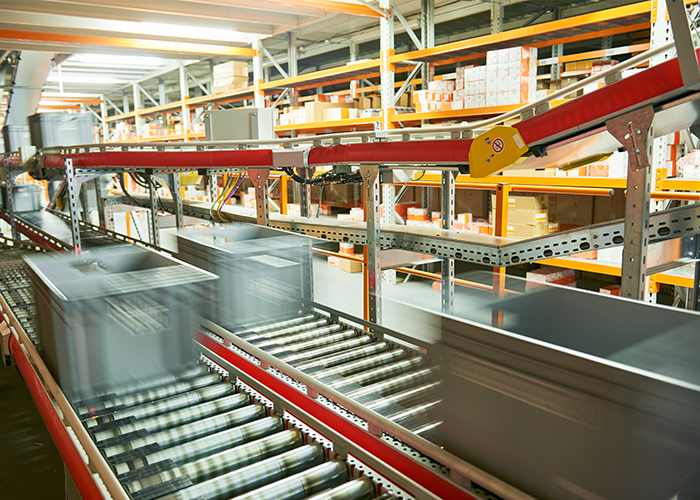
Automation is changing how warehouses, factories, and distribution centers work. Faster order cycles, higher labor costs, and growing customer expectations push operations to modernize. But automation is not just about buying machines or robots. It is about choosing the right systems, placing them in the right way, and making sure everything works together.
This is where material handling consulting plays a key role. Consultants help businesses move from old, manual processes to smarter, automated operations. They guide decisions, reduce risk, and make sure investments actually improve performance. Instead of guessing what technology to use, companies rely on data, planning, and expert insight.
This article explains what role material handling consulting plays in automation and modernization, and why it is often the foundation of successful operational change.
Understanding Material Handling Consulting
What material handling consulting involves
Material handling consulting focuses on how materials move inside a facility. This includes storage, transport, picking, packing, and shipping. Consultants study workflows, layouts, equipment, and labor.
Their job is to understand what works, what does not, and what can be improved through better design or automation.
How consultants assess operational challenges
Consultants begin by observing real operations. They track travel paths, wait times, and bottlenecks. Data is collected from systems like Warehouse Management Systems (WMS) and production reports.
This assessment creates a clear picture of current performance before automation decisions are made.
When Businesses Need Material Handling Consulting
Signs of inefficiency and bottlenecks
Slow order fulfillment, frequent congestion, and high labor costs are common warning signs. Errors, rework, and employee fatigue also point to deeper issues.
Material handling consulting helps identify the root causes behind these problems.
Preparing for growth, expansion, or automation
Many companies seek consulting before adding automation. Growth, new product lines, or higher order volumes require smarter systems.
Consultants help plan modernization so upgrades support future demand.
Facility Layout and Workflow Analysis
Optimizing space utilization and material flow
Automation only works well in the right layout. Poor layouts create wasted motion and limit system performance.
Material handling consulting analyzes floor space, aisle widths, and storage density to design efficient flow paths.
Reducing congestion and unnecessary movement
Excess travel wastes time and energy. Consultants redesign workflows so materials move in smooth, logical sequences.
This prepares the facility for automation and modern equipment.
Equipment and Technology Strategy
Selecting conveyors, storage, and handling systems
Automation includes conveyors, lifts, sortation, and storage systems. Not every facility needs every technology.
Consultants match equipment to actual needs, not trends.
Evaluating automation and robotics readiness
Robotics and automation work best in stable processes. Consultants assess whether workflows are ready for automation.
This avoids investing in technology before processes are optimized.
Data-Driven Decision Making
Using metrics and performance data
Consultants rely on data, not assumptions. Metrics like throughput, order accuracy, and cycle time guide decisions.
This data-driven approach supports smarter automation choices.
Simulations and modeling for future scenarios
Using simulation tools, consultants test how automated systems will perform under different volumes.
This reduces uncertainty and improves planning accuracy.
Safety, Ergonomics, and Compliance
Improving workplace safety through design
Automation should make work safer. Poorly designed systems can increase risk.
Material handling consulting integrates safety zones, guarding, and clear traffic paths into automation plans.
Meeting regulatory and industry standards
Facilities must meet standards set by organizations like OSHA. Consultants ensure modernization plans follow safety and compliance rules.
Compliance is built into design, not added later.
Cost Control and Investment Planning
Avoiding unnecessary automation costs
Automation can be expensive. Without guidance, companies may overspend on systems they do not need.
Consultants help prioritize investments that deliver real value.
Aligning budgets with operational goals
Material handling consulting aligns automation spending with business goals. This supports better return on investment.
Spending becomes strategic, not reactive.
Supporting Phased Automation Strategies
Incremental modernization instead of full replacement
Not all upgrades happen at once. Consultants often recommend phased automation.
This allows gradual modernization with less disruption.
Reducing risk during transition periods
Phased approaches reduce downtime and learning curves. Operations continue while systems improve.
Consultants plan transitions carefully.
Integration With Software and Digital Systems
Connecting automation to WMS and controls
Automation must work with software systems. Warehouse Management Systems guide inventory and order flow.
Consultants ensure hardware and software integrate smoothly.
Improving visibility and data accuracy
Modern systems provide real-time data. Consulting helps design systems that improve tracking and reporting.
Better data supports continuous improvement.
Workforce Impact and Change Management
Preparing employees for automation
Automation changes job roles. Without planning, resistance can grow.
Material handling consulting includes training and change strategies.
Supporting adoption and confidence
When systems are intuitive and well-designed, employees adapt faster.
Consultants help build trust in new technology.
Long-Term Scalability and Flexibility
Designing systems for future growth
Modernization should not limit future expansion. Consultants design systems that scale.
Capacity can grow without major redesign.
Adapting to changing market demands
E-commerce growth, seasonal spikes, and product changes require flexibility.
Consulting ensures automation supports change, not restricts it.
Reducing Operational Risk
Avoiding integration failures
Automation failures often come from poor integration. Multiple systems must work together.
Consultants reduce this risk through unified planning.
Ensuring predictable performance
With clear requirements and testing, systems perform as expected.
Predictability supports planning and confidence.
Role in New Facility and Retrofit Projects
Greenfield facility automation planning
New facilities offer the best chance to design automation from scratch.
Material handling consulting shapes layout, technology, and flow from day one.
Modernizing existing operations
Retrofits are more complex. Consultants find ways to add automation without stopping operations.
This makes modernization practical.
Supporting Sustainability and Energy Efficiency
Reducing energy use through smart design
Automation can lower energy use when designed well. Efficient motors and controls reduce waste.
Consultants consider sustainability during planning.
Minimizing waste and rework
Better flow reduces damaged goods and errors.
Sustainability improves alongside efficiency.
Measuring Success After Automation
Defining performance benchmarks
Consultants define clear goals for automation projects. Metrics track progress.
Success becomes measurable.
Continuous improvement opportunities
Post-implementation data supports further optimization.
Material handling consulting does not end at installation.
Collaboration With Stakeholders
Aligning leadership and operations teams
Automation affects many departments. Consultants align goals across leadership, IT, and operations.
Alignment improves project outcomes.
Supporting vendor coordination
Consultants help manage equipment suppliers and integrators.
Coordination reduces delays and confusion.
Common Pitfalls Without Consulting
Automating broken processes
Automation amplifies problems if processes are flawed.
Consulting fixes issues before technology is added.
Overlooking human and layout factors
Technology alone does not solve workflow problems.
Consultants balance people, processes, and machines.
Why Material Handling Consulting Is Essential for Modernization
Turning strategy into execution
Many companies know they need automation but do not know where to start.
Material handling consulting turns goals into actionable plans.
Supporting confident decision-making
With expert guidance, leaders make informed choices.
Confidence replaces uncertainty.
Conclusion
Automation and modernization are not simple technology upgrades. They are strategic changes that affect layout, people, systems, and long-term performance. Material handling consulting plays a critical role by guiding these changes with data, planning, and practical insight.
Through workflow analysis, equipment strategy, safety planning, and integration support, consultants help organizations modernize with less risk and better results. They ensure automation fits real operational needs and supports future growth. In a fast-changing environment, material handling consulting turns automation from a challenge into a competitive advantage.
Read More My Next Mag