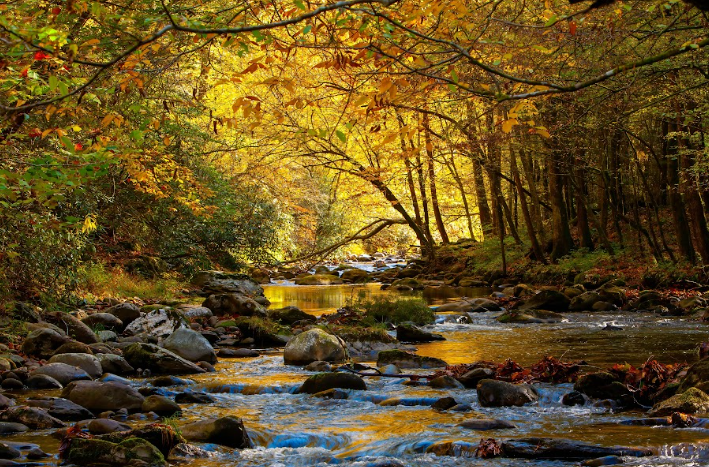
Ever felt like chucking your phone into a lake and disappearing into the woods? You’re not alone. As life speeds up—with endless notifications, back-to-back Zoom calls, and the subtle anxiety of trying to keep up with it all—more people are realizing they need to slow down. Enter nature-based travel, the not-so-new trend that’s quickly becoming a lifeline. From hiking in the Smoky Mountains to paddleboarding at sunrise, being in nature offers a real, measurable escape from burnout culture.
The Growing Appeal of Escaping the Grid
According to recent surveys by organizations like the American Psychological Association, stress levels have been steadily climbing. Factor in post-pandemic anxiety, economic uncertainty, and the pressures of modern life, and it’s no surprise that more Americans are turning to the great outdoors for relief. National park visits hit record highs in 2023, not just because people needed a vacation, but because they needed to feel human again. Nature doesn’t demand a Wi-Fi password, and for many, that’s reason enough to pack a bag.
Outdoor travel has evolved from being just a hobby to something of a necessity. Unlike conventional vacations where you might return needing another break, nature-based trips offer a form of active rest. They engage your body while calming your mind, and studies show that even a weekend in a natural setting can lower cortisol levels, improve sleep, and elevate mood.
Let the Rapids Take It All Away
Spending time in the wild doesn’t have to mean disappearing into the forest for a week. Adventure-driven experiences like white water rafting are gaining popularity for a reason. Not only are they thrilling and physically engaging, but they demand your full attention. When you’re paddling through class III rapids, you’re not thinking about unread emails or your grocery list. You’re locked in, heart pumping, laughter echoing off the riverbanks. That mental clarity—however brief—is powerful.
One standout destination for such an experience is Smoky Mountain Outdoors Rafting. Nestled in the heart of East Tennessee, it offers rafting trips for all experience levels. Whether you’re up for a high-adrenaline run through the Upper Pigeon River or a more laid-back float along calmer waters, the experience blends nature, excitement, and genuine disconnection from daily stressors. And the Smoky Mountains offer more than just great rafting. With misty views and dense forests, they cradle visitors in a setting that feels far from the noise, even if it’s just a few hours from urban life.
The Power of Natural Light and Open Spaces
Many of us spend 90% of our time indoors, bathed in artificial lighting, staring at screens. That’s not how our bodies were built to live. When you’re outdoors, you’re exposed to natural light that resets your circadian rhythm, improves vitamin D levels, and generally lifts your spirits. It’s why people tend to sleep better after a day outside, even if they didn’t do anything strenuous.
Spending time in open spaces also combats the emotional claustrophobia that comes with digital overload. When you’re hiking a ridge with nothing but sky ahead, your problems suddenly feel smaller and more manageable. That visual openness literally gives your brain room to breathe.
Green Isn’t Just a Color—It’s a Reset Button
There’s science behind why being around trees, grass, and water calms us down. Nature triggers the parasympathetic nervous system, which tells our body it’s safe to relax. Even 20 minutes in a park has been shown to lower heart rate and blood pressure. This isn’t just a nice-to-have—it’s essential, especially for those dealing with chronic stress, anxiety, or the dull ache of burnout.
And here’s the kicker: it works best when we’re fully present. That means putting the phone away, even if it’s just for an hour. You don’t have to Instagram your picnic. Just enjoy the sandwich.
Travel That Teaches You to Be Still
One of the unexpected benefits of nature travel is the way it forces you to slow down. Waiting for a bird to emerge from the trees or sitting by a lake at sunrise aren’t exactly high-speed activities. But they sharpen your attention in a way that’s healing. Instead of scrolling, you’re observing. Instead of reacting, you’re absorbing. That kind of stillness can be uncomfortable at first, but it’s also incredibly therapeutic.
Many wellness retreats now incorporate nature immersion for this very reason. Mindfulness, after all, feels more natural in a forest than in a sterile yoga studio with fluorescent lights.
Family Bonding Without the Screens
In a time when “family time” often means watching separate screens in the same room, nature-based travel offers a reset. Camping, kayaking, hiking—they all require cooperation, shared effort, and most importantly, talking. You end up laughing over burnt marshmallows, arguing over trail maps, and telling stories by the fire. These are the kinds of memories that stick, long after the Wi-Fi reconnects.
Even short trips to a nearby park or weekend cabin can reintroduce rhythm to family life. Without the pull of social media or constant entertainment, people have space to simply be with each other.
Nature Helps You Reconnect With Yourself
Perhaps the biggest benefit of nature-based travel is its ability to bring you back to yourself. When you strip away the noise, the schedules, and the endless comparisons of social media, you’re left with the core of who you are. And that version of you might be more patient, more present, and a lot less stressed.
People often return from outdoor trips reporting that they “feel like themselves again.” That’s not magic. That’s what happens when you give your nervous system a break and let your senses lead for once. The world slows down. You slow down. And in that space, you rediscover the basics: movement, fresh air, connection, and rest.
In the end, it’s not about being extreme—no need to live off the grid or hug every tree in sight. It’s about balance. Nature doesn’t demand perfection. It just offers peace, perspective, and a solid reason to leave your phone behind. And in a world that’s always “on,” that may be the most radical act of all.
Read More My Next Mag