
Hormita ants are fascinating insects that play a crucial role in the ecosystems where they thrive. Unlike more widely known ants such as fire ants or leafcutter ants, Hormita ants are lesser-known but highly specialized in their habitats and behaviors. They are social insects that live in colonies and exhibit remarkable organization, cooperation, and adaptability. Hormita ants are particularly noted for their ability to occupy diverse habitats and their influence on soil quality, plant reproduction, and pest control. By studying Hormita ants, researchers can gain insight into the ecological dynamics of the regions they inhabit and understand the balance of tropical and subtropical ecosystems.
Distribution of Hormita Ants
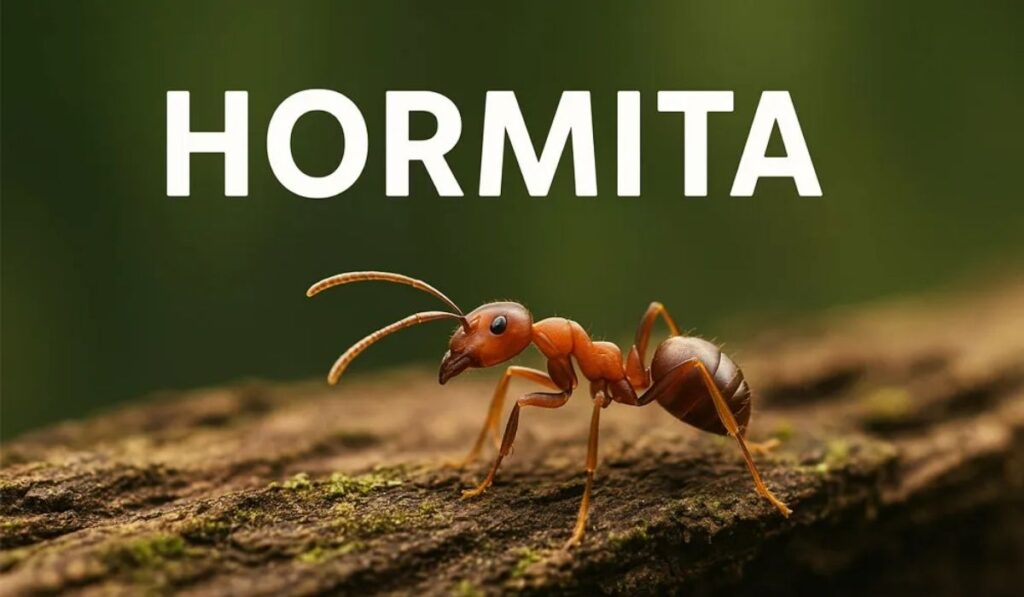
Hormita ants are primarily found in tropical and subtropical regions of the world. Their distribution is influenced by factors such as climate, vegetation, and soil type. These ants thrive in regions where temperatures are warm year-round and humidity is relatively high, as such conditions favor their nesting and foraging activities. Commonly, they are found in rainforests, grasslands, and even cultivated areas such as gardens and farms. The availability of food sources and protective habitats significantly affects their presence, making some areas more densely populated by Hormita ants than others. Their adaptability allows them to occupy environments ranging from dense forests to urban green spaces, although their colonies are more stable in undisturbed natural habitats.
Habitat Preferences
Hormita ants are highly selective about their nesting and living spaces. They are often found in leaf litter, under rocks, decaying logs, and within soil that is rich in organic material. Moisture is a critical factor in habitat selection because it supports their brood development and keeps their colonies healthy. Some species of Hormita ants are also observed nesting in tree cavities or under the bark of fallen trees, demonstrating their ability to adapt to vertical as well as horizontal spaces. Their nests are often hidden, providing protection from predators and environmental extremes. Understanding their habitat preferences helps ecologists determine the ecological requirements of these ants and their role in the local environment.
Nesting Behavior and Colony Structure

Hormita ants are known for their sophisticated nesting behaviors. Colonies can range from a few dozen individuals to thousands, depending on the species and environmental conditions. Their nests are structured with multiple chambers, each serving specific purposes such as brood rearing, food storage, and housing for queens and workers. The underground architecture of their nests is designed to maintain temperature and humidity stability, which is critical for the survival of larvae and pupae. Worker ants maintain the nest meticulously, clearing debris, repairing damage, and defending the colony from intruders. The queen remains largely protected, laying eggs while the colony performs tasks collectively.
Foraging Behavior and Diet
Hormita ants are omnivorous and have a diverse diet that includes nectar, seeds, small insects, and other organic materials. Foraging is a highly organized activity, with worker ants using chemical trails to communicate the location of food sources. These trails allow the colony to efficiently gather resources while minimizing risks. Hormita ants also engage in mutualistic relationships with other organisms, such as tending to aphids for honeydew, which provides a supplemental sugar source. Their foraging activities not only sustain the colony but also contribute to broader ecological processes such as pest control and seed dispersal, helping maintain ecosystem balance.
Role in the Ecosystem

Hormita ants serve several important ecological roles. Their tunneling and nesting behavior aerates the soil, enhancing nutrient cycling and soil fertility. By preying on other insects, they help regulate pest populations, which can protect plants from damage. Furthermore, Hormita ants contribute to seed dispersal, aiding in the reproduction and spread of various plant species. They also serve as a food source for a variety of predators, including birds, reptiles, and mammals. The combined impact of their activities makes them essential components of the ecosystems in which they live, influencing both plant and animal communities.
Adaptations and Survival Strategies
Hormita ants have evolved several adaptations that allow them to survive and thrive in diverse habitats. Their strong mandibles and agile bodies help them manipulate soil, cut leaves, and defend the colony from threats. Behavioral adaptations such as cooperative brood care, division of labor, and pheromone-based communication increase the efficiency and resilience of their colonies. During adverse weather conditions, ants may cluster together to maintain warmth or protect the queen and brood. These survival strategies demonstrate how Hormita ants have successfully adapted to environmental pressures over time, ensuring the persistence of their colonies across various habitats.
Interaction with Humans

Although Hormita ants are rarely considered pests, they can sometimes be observed in gardens or agricultural areas. In such contexts, their presence is usually beneficial rather than harmful. By preying on pest insects and aiding in soil aeration, Hormita ants contribute positively to human-managed environments. Awareness of their ecological value can prevent unnecessary eradication and promote coexistence. Moreover, Hormita ants provide opportunities for scientific study, offering insight into insect social behavior, communication, and environmental adaptation.
Threats to Hormita Ants
Despite their adaptability, Hormita ants face several threats that can impact their populations. Habitat loss due to deforestation, urbanization, and agricultural expansion reduces the availability of suitable nesting sites. Chemical pesticides can disrupt colonies and reduce food availability. Climate change, affecting rainfall patterns and temperature stability, may also alter their distribution and survival rates. Conservation efforts that focus on preserving natural habitats and minimizing chemical usage are essential to maintaining healthy populations of Hormita ants. Protecting these ants is crucial for sustaining the ecological functions they perform.
Research and Conservation
Research on Hormita ants continues to expand our understanding of their ecological roles, behavior, and adaptability. Scientists study their distribution patterns, nesting structures, foraging behavior, and interactions with other species to understand the dynamics of tropical and subtropical ecosystems. Conservation initiatives that include habitat preservation, responsible land management, and public education can help protect Hormita ant populations. Supporting these efforts ensures that Hormita ants continue to thrive and contribute to ecosystem health, biodiversity, and the overall balance of their environments.
Conclusion
Hormita ants are remarkable social insects with complex behaviors, diverse nesting habits, and important ecological functions. Their distribution across tropical and subtropical regions, adaptability to different habitats, and role in soil health, pest control, and seed dispersal make them an integral part of many ecosystems. Understanding and preserving Hormita ants highlights the broader importance of insect biodiversity and the need for ecological conservation. Protecting these ants ultimately supports the stability and resilience of the environments they inhabit.
Frequently Asked Questions
1. Where are Hormita ants commonly found?
- Hormta ants are primarily found in tropical and subtropical regions. They inhabit forests, grasslands, gardens, and other areas with sufficient moisture and organic matter.
2. What type of nests do Hormta ants build?
- They build complex underground nests with multiple chambers for brood, food storage, and living areas for workers and the queen. They may also nest under rocks or inside tree cavities.
3. What do Hormta ants eat?
- Hormta ants are omnivorous, feeding on nectar, seeds, small insects, and other organic materials. They may also tend aphids to harvest honeydew.
4. Are Horita ants harmful to humans?
- Generally, Hormta ants are not harmful. They rarely cause damage and often provide benefits such as pest control and soil aeration in gardens and farms.
5. What is the ecological importance of Hormta ants?
- Horma ants aerate soil, aid in seed dispersal, control pest populations, and serve as a food source for other animals, contributing significantly to ecosystem balance.