We’re living in a time when being mindful about our environmental impact isn’t just trendy, it’s necessary. More people are discovering that their leisure time can actually contribute to a healthier planet rather than harm it. The beauty of eco-friendly hobbies lies in their dual purpose: they’re genuinely enjoyable while making a real difference in reducing waste, protecting ecosystems, and preserving natural resources. You don’t need to sacrifice fun or personal fulfillment to live more sustainably. In fact, many people find these green pursuits far more satisfying than conventional hobbies because they create meaning beyond simple entertainment. The activities below offer accessible entry points into environmentally conscious living that can genuinely transform both your lifestyle and your perspective on what it means to spend time well.
Urban Gardening and Organic Farming
There’s something incredibly satisfying about eating a tomato you grew yourself. Urban gardening has exploded in popularity, and it’s not hard to see why, even a small balcony can become a productive space that yields fresh herbs, vegetables, or fruits throughout the growing season. You’re cutting out all those transportation emissions that come with store, bought produce, eliminating plastic packaging entirely, and ensuring that nothing harmful touches your food. Container gardening works beautifully for those without traditional yard space, while vertical setups can turn a bare wall into a thriving garden that produces surprising amounts of food. These urban green spaces also become tiny havens for bees, butterflies, and beneficial insects that struggle in concrete-heavy environments. The mental health benefits alone make this hobby worthwhile, there’s genuine therapeutic value in working with soil and watching seeds transform into plants. People consistently report feeling more grounded, less stressed, and more connected to natural rhythms when they maintain even a modest garden. Plus, you’ll probably find yourself eating healthier simply because fresh produce is literally right outside your door.
Beekeeping for Pollinator Conservation
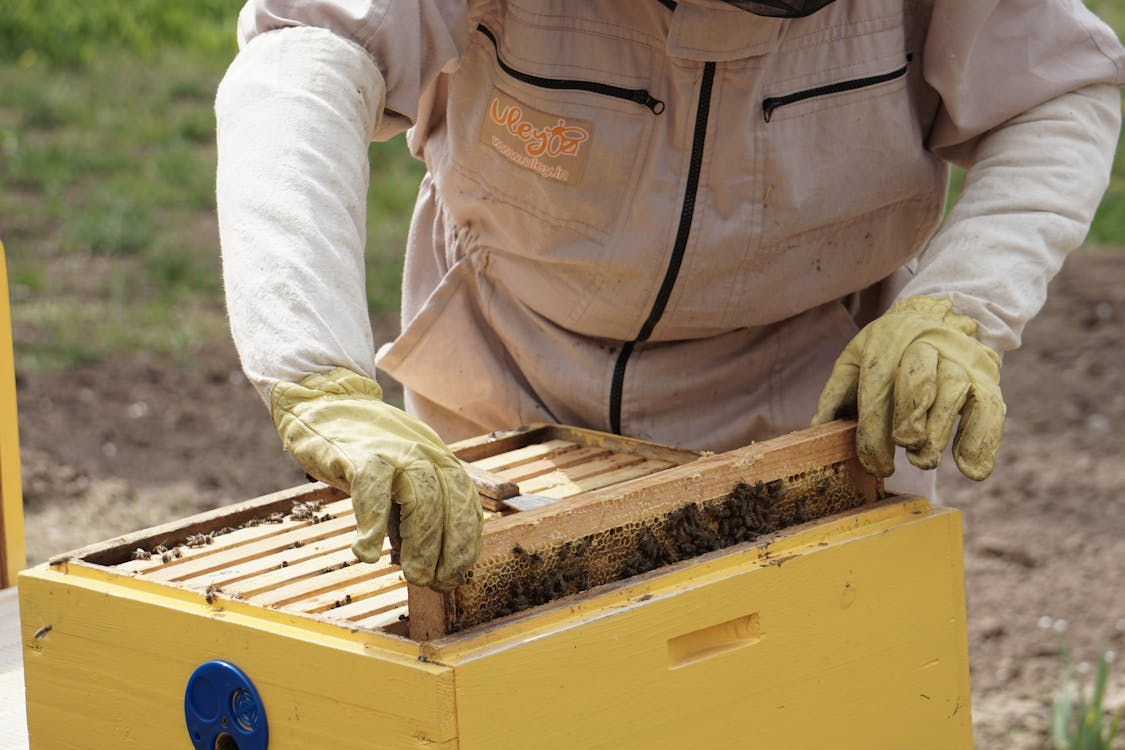
Honeybees are in serious trouble, and backyard beekeepers are playing a crucial role in supporting these essential pollinators. It’s sobering to realize that about a third of our food supply depends on pollination, yet bee populations continue declining at alarming rates. Getting into beekeeping isn’t something you do on a whim, it requires genuine commitment to learning about colony dynamics, seasonal management, and bee health. You’ll need proper protective equipment, suitable housing for your bees, and the right maintenance tools to keep everything running smoothly. When you’re working inside a hive, separating frames and checking on colony health, hive tools become essential for safely managing the delicate comb structures without causing damage that could harm the colony. Most areas have beekeeping associations where experienced mentors help newcomers navigate the learning curve and avoid common pitfalls. Beyond producing incredible honey for your own use, you’re directly strengthening the local ecosystem by increasing pollinator numbers in your neighborhood. There’s something almost meditative about working with bees, you learn to move deliberately, observe carefully, and respect the sophisticated social structures these insects have developed. Many beekeepers describe feeling profoundly connected to seasonal changes and natural cycles in ways they never experienced before.
Upcycling and Creative Repurposing
What looks like junk to one person can become a treasure in the hands of someone with vision and creativity. Upcycling takes waste reduction beyond recycling by actually adding value and beauty to materials that would otherwise end up in landfills. The possibilities are genuinely limitless, old wooden pallets become coffee tables, worn jeans transform into stylish bags, glass bottles turn into lamps, and vintage fabrics find new life as home décor. This hobby challenges you to see potential everywhere and reconsider what “waste” really means.
Nature Photography and Wildlife Documentation
Cameras have this wonderful way of forcing you to slow down and really see what’s around you. Nature photography pulls you outdoors for extended periods, heightening your awareness of seasonal changes, animal behavior, and the subtle beauty most people rush past without noticing. This pursuit demands patience and respect for wild spaces, ethical photographers prioritize animal welfare and habitat protection over getting any particular shot. You can start with nothing more than a smartphone, though many people eventually invest in specialized gear as their skills develop and their ambitions grow.
Composting and Soil Health Management
Throwing away food scraps starts feeling almost criminal once you understand how valuable they are. Composting captures roughly thirty percent of typical household waste that would otherwise decompose in landfills, releasing methane that accelerates climate change. The beauty of this hobby is its accessibility, outdoor bins work great if you have yard space, tumbler systems speed up the process, and worm composting thrives indoors even in small apartments. You’re essentially running a controlled decomposition system that converts kitchen scraps, yard waste, coffee grounds, and certain paper products into rich, dark compost that transforms garden soil.
Conclusion
Choosing eco-friendly hobbies isn’t about being worthy or making sacrifices, it’s about discovering activities that genuinely enrich your life while respecting the planet we all share. These pursuits offer real fulfillment, new skills, and deeper connections to natural systems that sustain us. Whether you’re drawn to growing food, supporting struggling bee populations, finding beauty in cast-off materials, capturing nature’s moments, or transforming waste into resources, you’re making a tangible difference while doing something you actually enjoy. Starting with just one of these hobbies often sparks broader changes in how you think about consumption, waste, and your relationship with the environment. The most sustainable lifestyle changes are the ones that bring joy rather than feel like obligations, and that’s exactly what these activities offer.
Read More My Next Mag