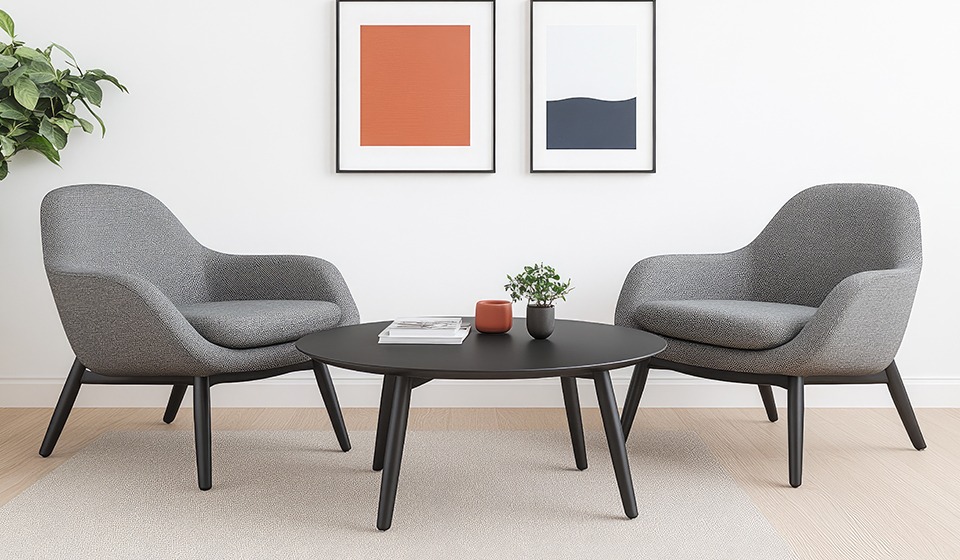
As we move through 2026, the way people furnish and experience their homes continues to evolve. Modern living is no longer defined by perfectly styled interiors or rigid design rules. Instead, today’s homes are shaped by comfort, flexibility, and personal expression. Furniture is expected to do more than look good. It must support everyday life, adapt to changing needs, and create spaces that feel warm and welcoming. From sofa sets and coffee tables to armchairs in Perth homes, furniture choices now reflect how people live, relax, and express their personal style.
A Shift Towards Meaningful and Personal Spaces
One of the strongest directions shaping 2026 is the move away from perfect, untouched interiors towards spaces that feel real and personal. Homes are becoming collections of stories rather than displays of trends.
- Spaces shaped by memory and feeling: Furniture and décor are chosen for their meaning rather than their matching finish. Items collected over time, family keepsakes, and handmade pieces bring warmth and character into the home.
- Comfort that feels familiar: Rather than sharp lines and cold surfaces, people are leaning towards furniture that feels soft, welcoming, and easy to live with, allowing spaces to feel relaxed instead of formal.
- Rooms that reflect real life: Homes are styled to suit daily routines, making space for rest, conversation, and quiet moments without worrying about perfection.
Curated Nostalgia: A Softer Way to Style
Curated nostalgia is becoming a defining influence in 2026, encouraging homeowners to surround themselves with pieces that hold personal value rather than following one strict look.
- A mix of old and new: Furniture from different times sits comfortably together, creating spaces that feel layered and full of personality instead of uniform.
- Warm and lived-in details: Shelves filled with meaningful objects, artwork chosen for emotion rather than balance, and furniture that shows gentle character help spaces feel welcoming.
- Personal creativity matters: Hand-finished pieces and personal projects are finding a place in homes, adding warmth and individuality while supporting thoughtful living.
Blended Expression: Freedom in Design Choices
Another strong trend for 2026 is blended expression, where different styles and influences come together naturally without clear boundaries.
- Mixing styles with confidence: Modern shapes are paired with classic details, creating homes that feel balanced rather than divided by design rules.
- Texture over perfection: Instead of smooth, untouched finishes, textured surfaces and layered materials bring depth and visual interest into everyday spaces.
- Homes that feel complete, not staged: This approach allows rooms to feel settled and lived in, supporting comfort while still looking thoughtful and well planned.
Maximum Dimension: Making Walls Work Harder
Walls are taking on a much bigger role in home design as 2026 approaches, moving beyond simple backdrops.
- Height adds impact: Full-height features help rooms feel larger and more open, especially when walls are used to frame furniture and define space.
- Texture creates atmosphere: Panels, soft finishes, and subtle patterns add depth, helping walls contribute to the overall comfort of a room.
- Balance between structure and warmth: When walls are treated with care, they help anchor furniture while still allowing the space to feel calm and inviting.
Furniture That Supports Everyday Comfort
Furniture in 2026 is designed to support daily living rather than impress at first glance. Comfort and ease of use guide most choices.
- Seating that invites rest: Armchairs and sofa sets are chosen for how they feel during long periods of use, supporting relaxed sitting without effort.
- Flexible pieces for changing needs: Furniture pieces like modular lounges, recliners, and sofa beds can move, adjust, or serve more than one purpose, allowing homes to adapt without stress.
- Bedrooms focused on rest: Practical bed options, such as cheap beds available at furniture stores in Perth, are becoming increasingly popular, offering the perfect balance of comfort and value while keeping bedrooms calm and clutter-free.
Softer Shapes and Gentle Lines
Sharp edges are slowly giving way to softer shapes, helping rooms feel calmer and more welcoming.
- Rounded furniture feels more relaxed: Curved edges of round dining tables and gentle lines of dining chairs soften the look of a room, while moving feel easier and more natural.
- Visual flow across rooms: Furniture with softer shapes helps create a smooth transition between spaces, especially in open layouts.
- Comfort through form: Gentle shapes support a relaxed environment where furniture feels easy to approach and use.
Natural Materials with a Warm Feel
Materials play an important role in shaping how homes feel in 2026, with a focus on warmth and comfort.
- Surfaces that feel good to touch: Soft fabrics, textured finishes, and natural materials like leather lounge suits and sofa sets help spaces feel welcoming and balanced.
- Materials chosen for daily life: Furniture is designed to handle everyday use while maintaining its comfort and appearance over time.
- Calm and grounded interiors: Natural tones and finishes support a peaceful environment that feels easy to live in.
Conclusion
The furniture trends shaping 2026 reflect a clear shift towards comfort, personality, and thoughtful design. Homes are becoming more expressive, layered, and supportive of real life, moving away from strict rules and towards spaces that feel warm and welcoming. By focusing on meaningful pieces, blended styles, and furniture that supports daily comfort, homes can feel balanced and inviting throughout the year ahead. These trends are not about following fashion but about creating spaces that feel right to live in, season after season.
Read More My Next Mag